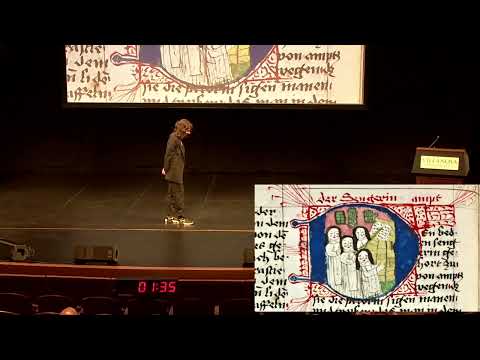
This research analyzes medieval letters between Heinrich Seuse and Margaret Ebner to explore alternative models of personhood. Through communal reading practices, Margaret is celebrated as complex and indeterminate. The study challenges rigid Western identity norms, highlighting a theological tradition that embraces ambiguity and values personhood beyond fixed categories and binaries.
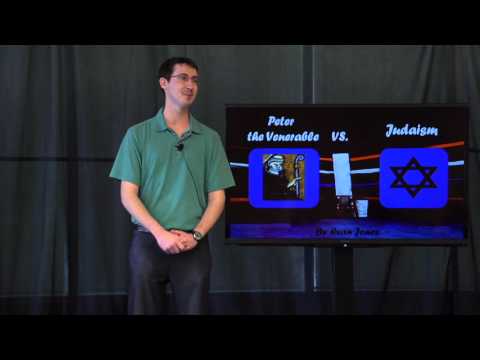
This research analyzes how Peter the Venerable shaped medieval Christian identity through anti-Jewish writings. Beyond logical argument, his texts evoke emotional responses to reinforce division. By examining their influence, the study traces early foundations of antisemitism and highlights how rhetoric shaped interreligious relations and enduring prejudice.
AI can answer religious questions, but it often blends traditions and provides incomplete answers. While specialized models exist, general models like ChatGPT can perform better due to broader training data. The key insight is that theology remains a human, dialogical process—AI should assist, not replace, human judgment and interpretation.
This research examines how early modern German societies debated human identity through cases of atypical bodies. Religious, legal, and medical perspectives intersected to define personhood and normality. These historical debates shaped rights and inclusion, offering insights into contemporary bioethics and how societies determine what it means to be human.