This dissertation reinterprets the French Revolution through the lens of care ethics, analysing the writings of Mary Wollstonecraft and Sophie de Grouchy. The research argues that these thinkers anticipated modern theories of care, interdependence, and gender equality, offering early proto-feminist visions of social institutions grounded in community and mutual responsibility.

This research explores the nature of human identity through philosophical traditions from Socrates to Kant and Adorno. It proposes “dialectical humanism,” arguing that humans are defined by unresolved tensions between instinct and reason. Rather than resolving contradictions, the work suggests that embracing these dualities is essential to understanding what it means to be human.


AI can improve efficiency in humanitarian aid but risks undermining its moral foundation. Research shows donors perceive AI as lacking empathy, leading to reduced engagement and donations. The key challenge is balancing technological efficiency with human connection, ensuring that innovation supports rather than erodes the trust and compassion that sustain aid systems.

AI can answer religious questions, but it often blends traditions and provides incomplete answers. While specialized models exist, general models like ChatGPT can perform better due to broader training data. The key insight is that theology remains a human, dialogical process—AI should assist, not replace, human judgment and interpretation.

This research examines ancient Aramaic incantation bowls used to ward off demons, revealing how religious practices in late antiquity crossed Jewish, Christian, and Zoroastrian boundaries. By analyzing hundreds of artifacts and tracing their modern illicit trade, the study highlights both historical interconnectedness and contemporary ethical challenges in studying looted cultural heritage.

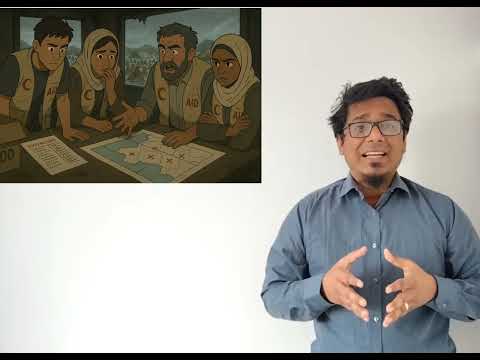
This research examines the ethical dilemmas behind food distribution during disasters, focusing on fairness, power, and decision-making in humanitarian aid. Through interviews in Bangladesh, it aims to develop an ethical framework to guide organisations toward just and transparent food allocation, ensuring aid preserves dignity as well as saving lives.