
This research investigates how AI-generated dating profiles influence romantic attraction. An experimental study found that people were less willing to date someone they believed had used AI than someone who received similar help from a friend, suggesting AI-assisted dating may undermine authenticity and reduce social appeal despite its growing popularity.
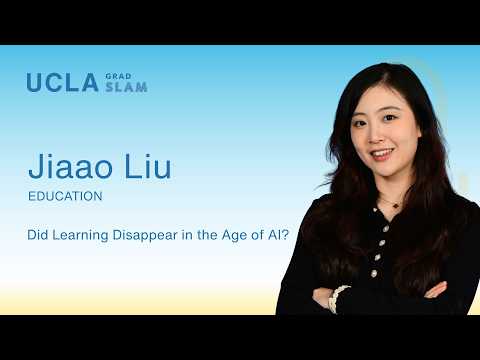
This research examines how multilingual college students use AI writing tools and whether these tools support or hinder learning. The findings suggest that learning outcomes depend on how AI is used. When employed as a scaffold for feedback and reflection rather than a shortcut, AI can enhance writing development and critical thinking.
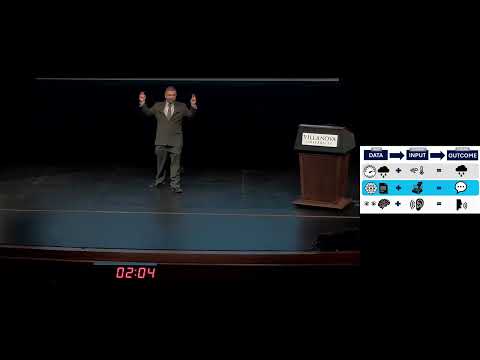
Generative AI chatbots are predictive systems that generate human-like responses without true understanding. Using large datasets, they model word relationships similarly to weather forecasting. While effective, they can produce convincing inaccuracies, or “hallucinations.” This research emphasizes interpreting AI realistically—as probabilistic tools with limitations—rather than attributing human cognition to them.

AI can answer religious questions, but it often blends traditions and provides incomplete answers. While specialized models exist, general models like ChatGPT can perform better due to broader training data. The key insight is that theology remains a human, dialogical process—AI should assist, not replace, human judgment and interpretation.
2025
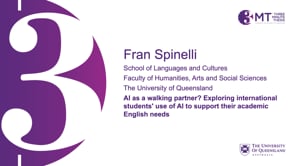
This research explores how over 500 international students use AI tools like ChatGPT while navigating university study in a second or third language. Findings reveal AI can reduce overwhelm and support learning, but also risk undermining confidence and skill development. The study guides universities toward better language support, policy, and pedagogy.