2025
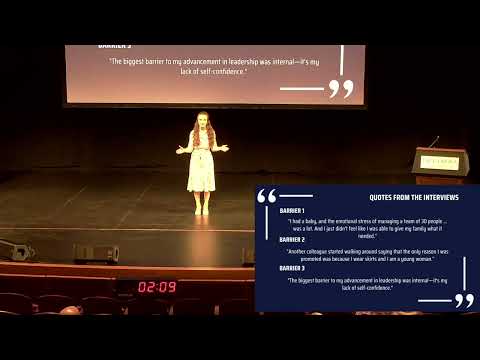
This research investigates barriers preventing women from advancing into leadership roles. Interviews reveal three key obstacles: family responsibilities, persistent gender bias, and internalized expectations of barriers. The study highlights how systemic challenges shape self-doubt and calls for collective responsibility in removing structural inequalities to unlock women’s leadership potential.