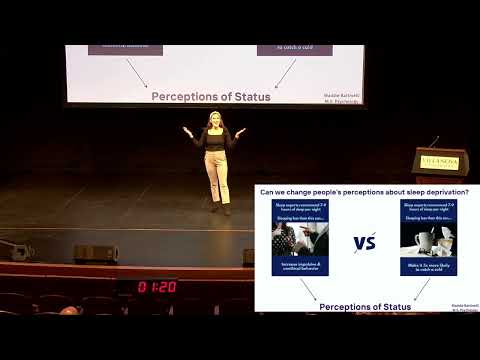
This study examines “status-striving sleep deprivation,” where lack of sleep signals status. It tests whether infographics can shift perceptions by highlighting work or health consequences. Findings aim to reduce glorification of sleep deprivation, challenge gendered interpretations, and promote healthier workplace norms, improving wellbeing and organizational effectiveness.
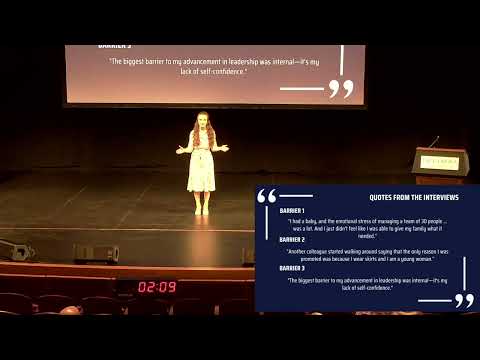
This research investigates barriers preventing women from advancing into leadership roles. Interviews reveal three key obstacles: family responsibilities, persistent gender bias, and internalized expectations of barriers. The study highlights how systemic challenges shape self-doubt and calls for collective responsibility in removing structural inequalities to unlock women’s leadership potential.
This study explores the challenges facing DEI practitioners amid rising political and organizational pressures. Interviews reveal widespread frustration but continued commitment, alongside burnout and lack of support. Findings highlight the need for standardized training, stronger professional communities, and collective engagement to sustain DEI efforts and ensure inclusive, supportive workplaces.
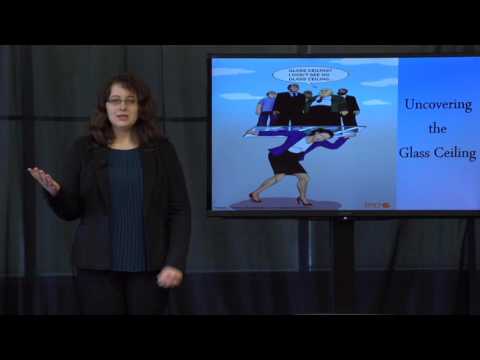
This research examines gender bias in leadership recognition. Despite evidence that women exhibit effective transformational leadership, male employees often undervalue female leaders. This bias affects promotion decisions, reinforcing the glass ceiling. The study highlights the need to address perception gaps to achieve genuine gender equality in senior leadership roles.
This research examines how CEO personality influences environmental decoupling, where companies misalign environmental claims and actions. Using the Big Five framework and machine learning on CEO communications, it identifies traits linked to such behavior. Findings aim to improve corporate governance by helping stakeholders select leaders committed to genuine sustainability.
This research examines gender promotion gaps by analyzing policies, retention, and performance together. While promotion policies are gender-neutral and retention explains part of the gap, differences in measured performance—driven by reduced working hours—account for most disparities. Results show that how performance is defined critically shapes outcomes and policy effectiveness.
This research examines how leader and follower gratitude expressions affect first-level supervisors. Drawing on emotion-as-social-information theory, a three-wave study shows gratitude enhances helping behavior, commitment, and performance. Leader gratitude boosts organization-based self-esteem, while follower gratitude strengthens leadership self-efficacy. Intentional gratitude practices can foster more thriving workplace environments.
This research shows that political polarization in the workplace reduces employee voice. Workers who feel politically misaligned—or mistreated due to their views—are more likely to stay silent, harming innovation and performance. Even small pockets of political fit can encourage speaking up and improve workplace outcomes.