Year
2025
Summary

This research develops bespoke, lightweight breast prostheses for women following mastectomy. Using scans of the residual breast and mastectomy site, the project aims to improve comfort, fit and symmetry compared with conventional silicone prostheses. The ultimate goal is an accessible process that hospitals and cancer centres can implement in-house.

Organisation

Year
2025
Summary

This research develops pH-responsive biomaterials to deliver chemotherapy directly to glioblastoma cells in the brain. By releasing drugs in the presence of cancer while remaining closed around healthy tissue, the approach aims to improve treatment effectiveness, reduce harmful side effects, and ultimately enhance patients’ quality of life and survival.

Organisation
Year
2026
Summary

This research explores whether altering bodily sensations can change emotional experiences. By manipulating perceived heartbeat, blinking, and muscle tension through wearable devices and virtual reality, it demonstrates that emotions can be reshaped without changing physiology, opening new possibilities for treating trauma, anxiety, eating disorders, and other mental health conditions

Organisation
Year
2026
Summary

This research develops a machine learning system that automatically assesses the quality of wearable sensor data before it is used for clinical decision-making. By filtering unreliable signals and distinguishing noise from genuine health events, the approach aims to improve diagnostic accuracy, reduce false alarms, and enable trustworthy medical use of wearable technologies.

Year
2025
Summary

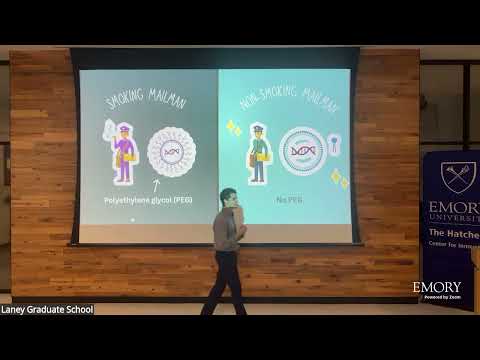
This research develops hybrid lipo-polymeric nanoparticles that overcome major limitations of current mRNA vaccine technology. The particles can be freeze-dried, rapidly loaded with mRNA, and simultaneously deliver therapeutic drugs. Their flexibility improves vaccine storage and distribution while enabling powerful combination therapies, including enhanced cancer treatments with improved survival in preclinical models.

Organisation
Year
2025
Summary

This research investigates how bacterial biofilms alter the mechanical properties of infected skin to improve microneedle-based drug delivery. By measuring tissue stiffness, structural integrity, and puncture resistance, it provides the evidence needed to design microneedles that can effectively penetrate biofilms, deliver antibiotics directly, and improve treatment of chronic wound infections.

Organisation
Year
2025
Summary

This research develops self-sterilising polymer coatings that become highly acidic when exposed to moisture, rapidly destroying harmful bacteria such as MRSA and E. coli. Designed for hospitals, classrooms, and other high-contact surfaces, these materials could reduce infections without harsh chemicals, helping prevent the spread of antibiotic-resistant bacteria.

Organisation