
This research investigates how a gonorrhea protein is processed in E. coli using cellular signal sequences, which act like "ZIP codes" directing the protein to its proper location. By identifying effective signal sequences, the study informs potential molecular targets for earlier detection and better treatment, aiming to prevent gonorrhea-related infertility and improve women's reproductive health.
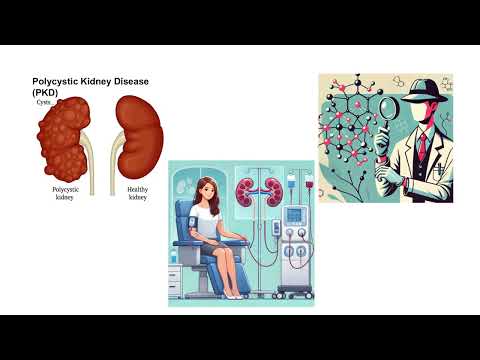
The speaker studies polycystic kidney disease by identifying missing or damaged proteins that destabilize the kidney’s filtration network. Using BioID and mass spectrometry, they map healthy versus diseased protein interactions to pinpoint weak spots. This work aims to enable targeted therapies and personalised treatments for PKD patients.
This research provides the first-ever map of the honeybee gut protein interactome to understand how the parasite Nosema disrupts bee health. By isolating gut protein interactions and identifying them via mass spectrometry and computational analysis, the project uncovers how infection alters essential networks, paving the way for targeted, safer treatments for honeybee disease.