Varroa mites—long assumed to feed on bee blood—actually consume the honeybee’s fat body, a vital organ responsible for immunity, detoxification, and metabolism. Using fluorescent staining and artificial “decoy bees,” the study shows Varroa require fat body to survive and reproduce. Targeting this tissue could revolutionize strategies to protect collapsing honeybee populations.

This research provides the first-ever map of the honeybee gut protein interactome to understand how the parasite Nosema disrupts bee health. By isolating gut protein interactions and identifying them via mass spectrometry and computational analysis, the project uncovers how infection alters essential networks, paving the way for targeted, safer treatments for honeybee disease.

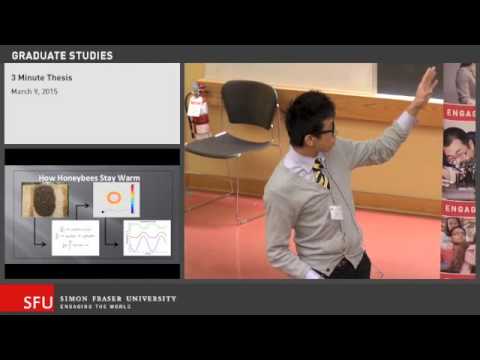
This research develops mathematical models to understand how honeybee clusters survive extreme cold without their hive. Using temperature and density equations, the model predicts how bees move, generate heat, and form insulating layers. Accurate simulations could reduce harmful field experiments and provide biologists with a powerful tool for studying bee behaviour.

This research examines how honeybee queens adjust egg size in response to their environment. Queens in food-rich urban areas lay smaller eggs, while those in rural areas lay eggs 45% larger, producing bees that forage earlier and more often. These findings can guide beekeeping and support pollinator health, crucial for global food supply.