This thesis developed multifunctional 3D-printed scaffolds for repairing critical-size mandibular bone defects. Using bioactive ceramics, surface coatings, and prevascularization strategies, it promoted both osteogenesis and angiogenesis. Results show that combining geometry, materials, and biological signals enables synergistic tissue regeneration, offering less-invasive alternatives to autologous bone grafts.
This research improves the safety of stem cell–derived heart cell therapy for heart failure by engineering a drug-controlled genetic safety switch. The approach prevents dangerous post-transplant arrhythmias while allowing transplanted cells to mature and synchronize with the heart, advancing regenerative alternatives to full heart transplantation.
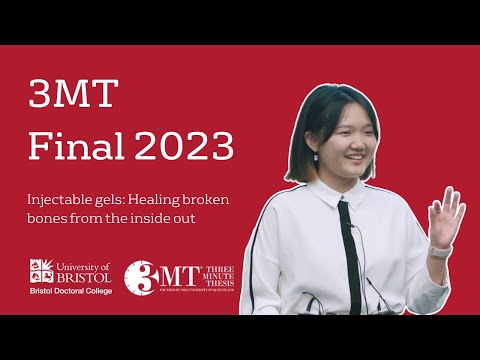
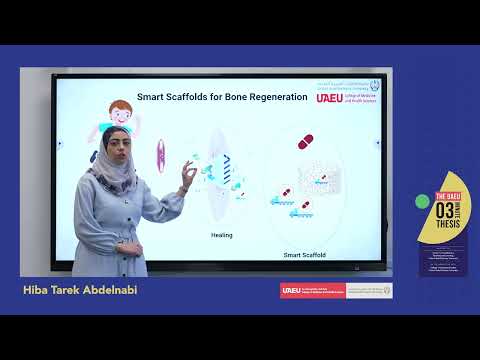
This research develops smart, biodegradable bone scaffolds that guide regeneration in severe fractures. By delivering healing molecules directly to damaged tissue, the scaffolds promote stronger bone growth, reduce inflammation, and eliminate the need for repeated surgeries, enabling faster and more natural recovery in children.
Myelin enables efficient communication between nerve cells and is essential for cognition, movement, and sensation. In neurodegenerative diseases, myelin is lost, impairing daily life. This research uses stem cells, gene profiling, and gene editing to uncover why myelin fails—and how regenerating it could transform treatment.
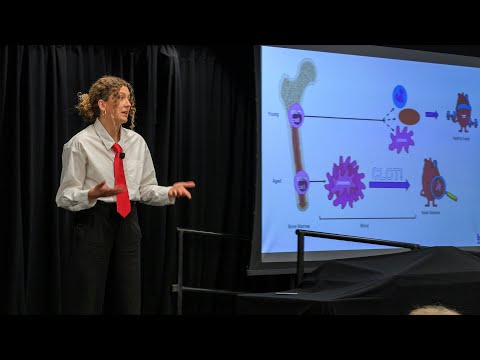
This research explores how tissue-resident macrophages guide immature heart muscle cells during early development. By identifying immune signals that enable scar-free heart regeneration in newborns, the work aims to uncover therapeutic pathways that could restore regenerative capacity and improve outcomes for patients with heart disease.
This research presents an anti-inflammatory surgical gel that actively reprograms the immune response at the injury site. Rather than masking symptoms, it promotes proper healing, reduces prolonged inflammation, and improves recovery—especially for patients with delayed healing, such as those with diabetes—aligning biomaterials with modern surgical precision.
Pain-sensing neurons require the gene PRDM12 not only to develop, but also to maintain their identity in adulthood. Removing PRDM12 causes neurons to express mixed identities, disrupting function. Understanding how neuron identity is preserved may enable regeneration of pain-sensing neurons and lead to new, non-addictive pain treatments.
Corneal scarring causes widespread vision loss and is poorly treated by transplantation alone. This research develops a bioengineered corneal glue that both seals and heals wounds by promoting cell infiltration and reducing fibrosis. The approach enables scar-free healing, lowers transplant rejection risk, and offers a regenerative alternative to sutures and conventional sealants.
Craniosynostosis occurs when skull sutures fuse too early, requiring risky surgeries. The researcher identified microRNA-200A as a key regulator of suture development. In mice lacking miR-200A, sutures fused prematurely, but adding extra miR-200A via gene therapy prevented fusion entirely. This breakthrough suggests a non-surgical future treatment for craniosynostosis.
This research transforms natural silk fibers into biodegradable “silk paper” membranes that support bone regeneration for dental implants. Unlike titanium meshes, silk papers dissolve in the body, eliminating the need for a second surgery. They support human cell growth, reduce costs, and promise safer, more accessible dental and medical treatments.
Pagination
- Page 1
- Next page