
This research shows that early-life oxytocin treatment can reverse key features of fragile X syndrome in mice. Brief intervention strengthens neural connections, normalizes learning and social behavior, and prevents seizures into adulthood. The findings suggest oxytocin may offer a safe, early intervention strategy for fragile X and other intellectual disabilities.

This research explores whether Video Interaction Guidance can strengthen parental reflective functioning among CPS-involved parents in New Zealand. By helping parents reflect on positive parent–child interactions, the intervention encourages curiosity, reduces reactive parenting, and supports safer, more nurturing relationships that may help families remain together.
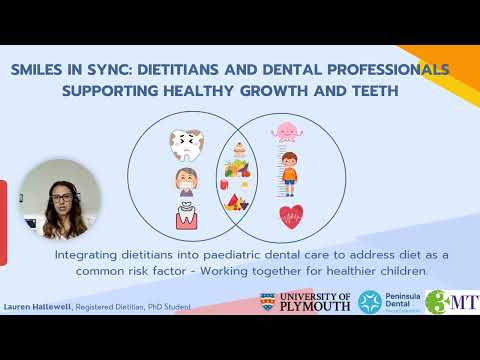
Tooth decay and unhealthy growth in young children share a common risk factor: diet. This research explores integrating dietitians into dental clinics to provide timely, realistic dietary support. By embedding nutrition expertise at routine dental visits, the model aims to improve prevention, reduce inequalities, and support families before problems escalate.
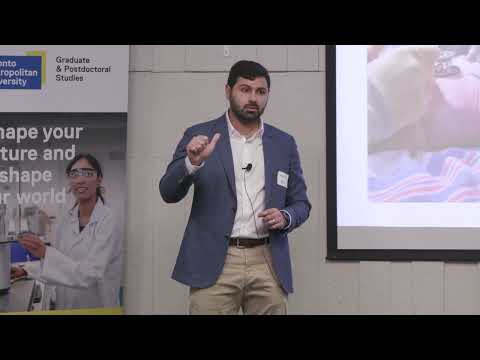
A biomedical engineering team developed a handheld device that measures newborn heart rate in under 10 seconds—far faster than current tools. Using a novel sensor and real-time algorithms, it improves clinicians’ ability to intervene within the critical first minute after birth. Clinical trials are complete, the device is patented, and commercialization is underway.
2024
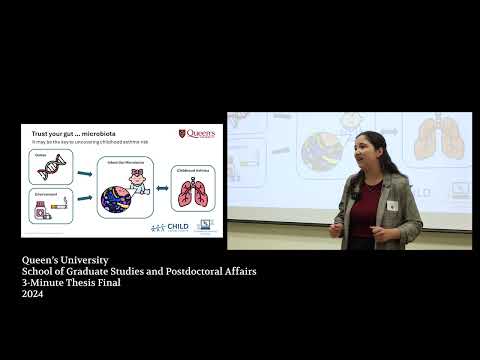
This research investigates how the infant gut microbiota influences childhood asthma risk. By studying microbes from infant diapers, the project identifies protective and harmful bacteria, explores the effects of genetics and environmental exposures, and highlights opportunities for early intervention and probiotic-based prevention. Understanding gut–immune interactions may transform childhood asthma prevention.
2018
This research investigates genetic variants that influence how premature babies respond to infections and oxygen shortages—two major causes of brain injury. By analysing the DNA of over 200 premature infants, the study identifies variants linked to later movement and learning difficulties, aiming to enable earlier prediction, prevention, and personalised care.