Urban farms in Baltimore need reliable irrigation water. This research tested harvested rainwater for E. coli, Listeria, and Salmonella, and evaluated two treatments: sand–iron filtration and peracetic acid sanitizing. Both reduced E. coli, and sanitizing eliminated Listeria. Produce remained contamination-free, suggesting treated rainwater is a viable supplemental irrigation source.
Gray mold in strawberries is increasingly resistant to fungicides due to genetic mutations. This research identifies resistance levels by testing pathogen samples in the lab, allowing growers to choose effective treatments. Ongoing work analyzes resistance trends and integrates DNA tools to optimize spray programs and reduce waste, ensuring healthier harvests.
My research examines how experts build credibility online and how audiences navigate trust in human and AI sources. Physicians gain trust by humanizing their content, while TikTok therapists succeed through relatability over credentials. Students selectively trust AI depending on task type. Ultimately, online trust hinges more on authenticity than expertise.
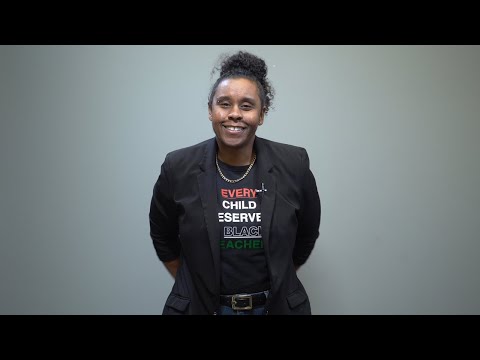
This research argues that Black teacher recruitment must start in kindergarten, not in adulthood. Because Black children rarely see Black teachers and often have negative school experiences, they decide early that teaching is “not for them.” Effective pipelines must center Black students’ voices and reshape school experiences, not rely on financial incentives.
2025
This research examined whether mental imagery training enhances neural efficiency and performance in basketball free throws. A single imagery session didn’t change EEG activity or performance overall, but higher confidence improved outcomes. Findings suggest imagery may boost performance indirectly through psychological factors, requiring longer or combined training for measurable neural effects.
This research uses ultra-powerful lasers to study electrons in near-vacuum conditions, enabling precise measurements of laser intensity and vacuum cleanliness. By tracking electron ejection angles and clearing dynamics, the work supports next-generation experiments in vacuum physics, fusion energy, and radiation science—creating a “laboratory fish tank” for exploring empty space.