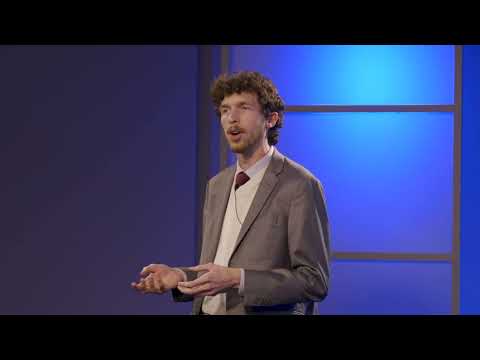
This research investigates how AI-generated dating profiles influence romantic attraction. An experimental study found that people were less willing to date someone they believed had used AI than someone who received similar help from a friend, suggesting AI-assisted dating may undermine authenticity and reduce social appeal despite its growing popularity.
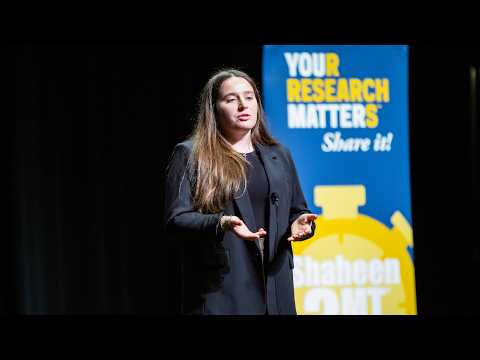
AI can improve efficiency in humanitarian aid but risks undermining its moral foundation. Research shows donors perceive AI as lacking empathy, leading to reduced engagement and donations. The key challenge is balancing technological efficiency with human connection, ensuring that innovation supports rather than erodes the trust and compassion that sustain aid systems.
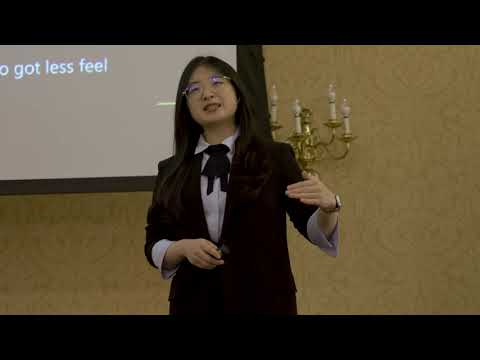
This research examines how economic inequality affects children’s trust and generosity. In experimental games, children aged 5–9 who experienced unequal rewards trusted decision-makers less, regardless of whether they benefited. Repeated exposure to unfairness may spread mistrust to others, suggesting that early inequality can shape social attitudes and cooperative behavior.
My thesis examines how “bad actors” manipulate information and undermine knowledge through monitoring, adjusting, and restructuring people’s trust networks. By grounding theory in real-world examples, the research shows how misinformation exploits vulnerability and argues that understanding these tactics is essential to protecting autonomy and resisting manipulation.
My research examines how experts build credibility online and how audiences navigate trust in human and AI sources. Physicians gain trust by humanizing their content, while TikTok therapists succeed through relatability over credentials. Students selectively trust AI depending on task type. Ultimately, online trust hinges more on authenticity than expertise.