This thesis examined how adverse childhood experiences (ACEs) affect mental health and brain development. Using data from the ABCD Study, the researcher found that ACEs were linked to both mental health symptoms and a thicker prefrontal cortex. The findings suggest the brain may adapt to adversity, highlighting new questions about resilience.

This research explores how generative AI can create personalized reading materials based on autistic children’s special interests. Using AI-generated stories tailored to individual passions, the study examines effects on engagement and story retelling, suggesting that personalized, strength-based educational tools may improve reading experiences and accessibility for neurodivergent learners.
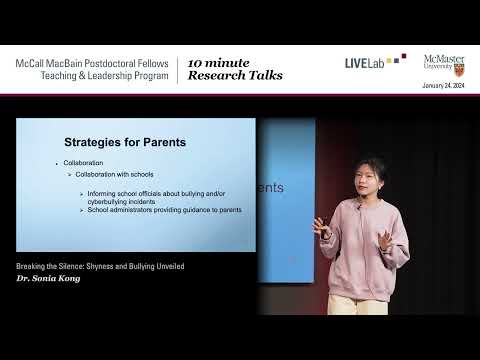
This presentation examines how shyness increases vulnerability to bullying, particularly cyberbullying, due to lower social confidence and reduced self-defense. It highlights parental strategies—communication, education, and collaboration with schools and institutions—to protect children, strengthen resilience, and reduce bullying risk, emphasizing the importance of support systems in promoting children’s wellbeing.
This research examines how economic inequality affects children’s trust and generosity. In experimental games, children aged 5–9 who experienced unequal rewards trusted decision-makers less, regardless of whether they benefited. Repeated exposure to unfairness may spread mistrust to others, suggesting that early inequality can shape social attitudes and cooperative behavior.