This research examines how maternal self-efficacy develops during matrescence, the transition to motherhood. Through interviews with new mothers and analysis of the SPACE programme, it shows that confidence in parenting grows not from perfection but from supportive environments, highlighting the need to rebuild community support for new mothers.
2026
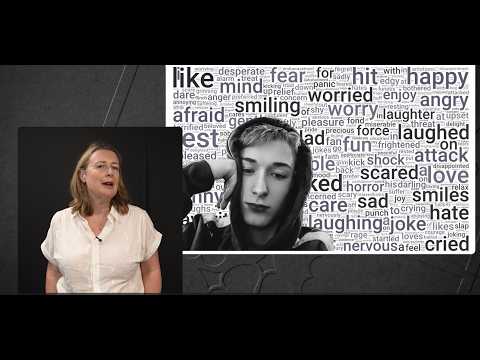
This research investigates whether teenagers miss important socio-emotional development when they stop reading fiction. Using a 2.4 million-word corpus compiled from books read by nearly 700 adolescents, it found rich emotional vocabulary and physical descriptions of emotions that may strengthen emotion recognition, emotional regulation, empathy, and adolescent mental health.
This study examined more than 2,000 adolescents to explore how habitual smartphone use affects attention. While frequent habitual use predicted poorer attention regulation, smartphones also fulfilled psychological needs for competence, autonomy, and relatedness, which partially protected against these effects, suggesting that how adolescents use smartphones matters as much as how often.
2026
This thesis examined how adverse childhood experiences (ACEs) affect mental health and brain development. Using data from the ABCD Study, the researcher found that ACEs were linked to both mental health symptoms and a thicker prefrontal cortex. The findings suggest the brain may adapt to adversity, highlighting new questions about resilience.

This study examines whether picture-based communication boards can help minimally verbal autistic preschoolers initiate communication independently. Through structured play sessions, children are introduced to visual tools that may support self-expression without adult prompting. The research aims to enhance participation, language development, and autonomy by shifting children from passive observers to active communicators.
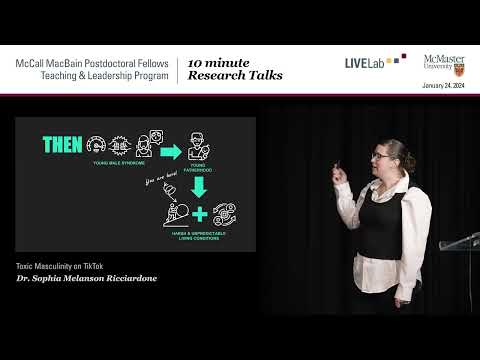
This study examines toxic masculinity on TikTok as a signal of harsh and unpredictable environments, using life history theory and young male syndrome. By analyzing young fathers’ behavior and regional conditions, it explores links between early puberty, risk-taking, and life outcomes, aiming to understand cycles of disadvantage and reduced wellbeing among young men.

This research examines how economic inequality affects children’s trust and generosity. In experimental games, children aged 5–9 who experienced unequal rewards trusted decision-makers less, regardless of whether they benefited. Repeated exposure to unfairness may spread mistrust to others, suggesting that early inequality can shape social attitudes and cooperative behavior.
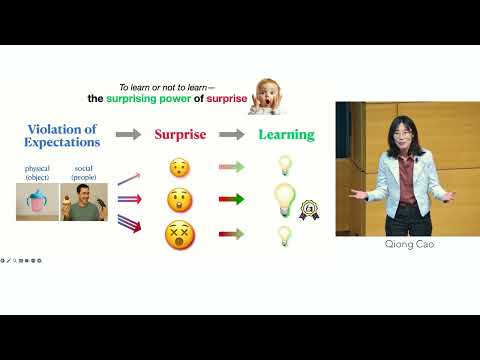
Babies are exceptional learners, possibly because they use surprise to guide attention and learning. My research shows that infants learn more after surprising physical or social events. Adults show a Goldilocks effect—optimal learning from moderate surprise. Understanding surprise-based learning in babies may help improve future artificial intelligence systems.
Adolescent depression is common, severe, and highly recurrent, with risk increasing after each episode. This research studies why some young people relapse while others recover, examining biological stress responses, coping styles, social relationships, and lived experience. The goal is to develop interventions that strengthen long-term resilience and improve mental-health outcomes.