
This research develops an affordable, scalable platform for recording electrical activity from brain organoids. Using innovative basket-shaped sensors made from a low-cost conductive material, the system enables simultaneous recording from dozens of mini-brains, accelerating drug discovery and improving our understanding of brain diseases with more human-relevant laboratory models.

2025
This research developed NanoX, a nanoscale fluorescent sensor that images oxytocin release from individual neurons in real time. By revealing patterns of brain chemistry associated with mental health disorders, the technology could enable earlier diagnosis, improve understanding of neurochemical signaling, and support both preventive and personalized mental healthcare.

2026
This research has developed an electronic nose that combines gas sensors with machine learning to detect food spoilage and hidden allergens. By recognizing unique scent signatures more accurately than the human nose, the technology could improve food safety, prevent allergic reactions, reduce food waste, and eventually be integrated into everyday devices.

This research develops soft, tissue-like implantable sensors capable of monitoring molecular signals inside the body in real time. By combining high-performance electronics with flexible, biocompatible materials, these devices could detect inflammation, stress, or organ damage before symptoms arise, enabling earlier diagnosis and more personalized healthcare.
2026
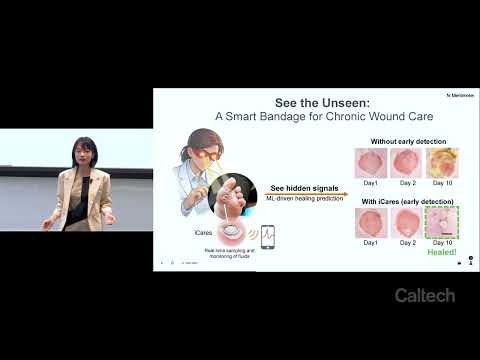
This research introduces iCares, a smart wound-monitoring bandage designed to detect infection and inflammation before visible symptoms appear. Using biosensors, fluid sampling, and machine learning, the system provides real-time wound analysis, enabling earlier intervention, personalized treatment, reduced complications, and improved healing outcomes for patients with chronic wounds.

2026
This research introduces a sustainable, thread-based wearable device that measures lactate in sweat using chemiluminescence. By transforming cotton thread into a low-cost analytical tool, it enables simple, smartphone-based monitoring of physiological changes, offering an eco-friendly alternative to conventional biosensors for sports and health applications.
2025
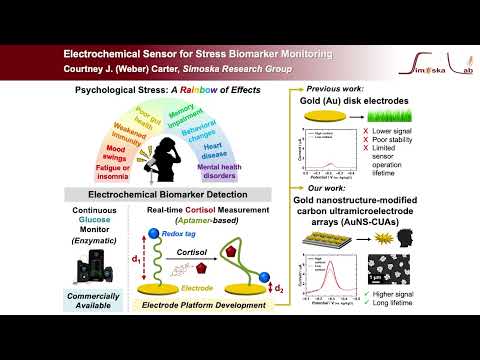
This research develops an electrochemical sensor to continuously monitor stress by detecting cortisol, a key stress hormone. Using DNA aptamers and nanostructured electrodes, the sensor overcomes traditional detection limits, improving signal strength and durability. The technology offers a noninvasive method for long-term stress tracking to support prevention and treatment.
2025
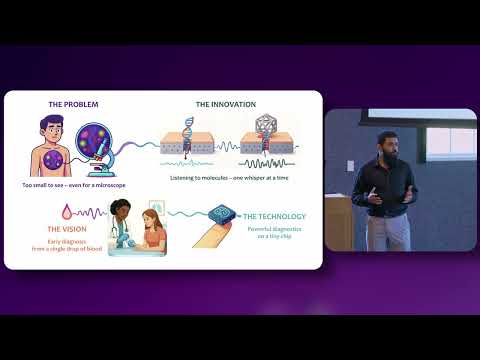
This research develops DNA-origami-enhanced nanopores to detect individual biomolecules from a single drop of blood. By slowing molecules and reading their electrical signatures with machine learning, the technology enables rapid, ultra-early disease diagnosis without traditional laboratory testing.
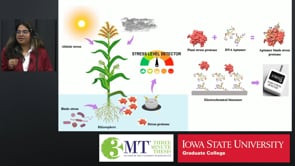
Corn crops often suffer hidden stress long before visible damage appears. This research develops DNA aptamer-based biosensors that detect early stress signals in maize soil. By providing real-time alerts, the system enables faster intervention, improving crop resilience, farm productivity, and long-term food security.

This research examines how architectural spaces shape emotional experience through their acoustic environments. Using binaural audio, 360° video, VR, biosensors, and self-reports, the study shows that spaces amplifying low frequencies enhance positive emotions. The goal is to develop architectural guidelines that create restorative, well-being-enhancing environments in schools, hospitals, offices, and public spaces.