This study explores how mindfulness can support student-athlete well-being in high-pressure sporting environments. Through interviews, course analysis, and coaching reflections, the research found that mindfulness strengthens personal agency, emotional regulation, and holistic self-identity. The findings informed the development of a mindfulness-based curriculum for athletes and coaches.
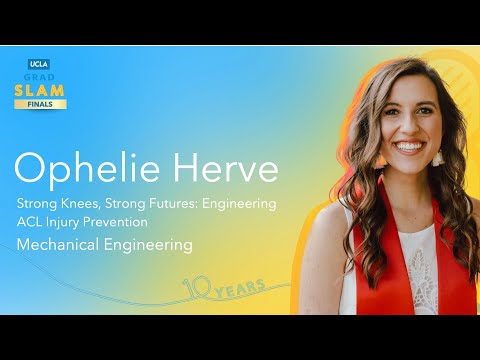
This research develops a robotic system capable of reproducing real-world knee motions and ACL injury mechanisms in human cadaver knees. The platform enables realistic testing of injury-prevention technologies, improves understanding of ACL rupture biomechanics, and may help reduce injury risk, particularly among women who experience higher ACL injury rates.
2025
This research examines disrupted brain–muscle communication following ACL reconstruction. While surgery restores mechanical stability, sensory deficits remain, causing neuromuscular impairments. By studying real-time neural control during varying muscle contractions, balance, and dual-task conditions, the project aims to improve rehabilitation strategies and reduce reinjury risk through enhanced neuro-muscular coordination.