This research examines disrupted brain–muscle communication following ACL reconstruction. While surgery restores mechanical stability, sensory deficits remain, causing neuromuscular impairments. By studying real-time neural control during varying muscle contractions, balance, and dual-task conditions, the project aims to improve rehabilitation strategies and reduce reinjury risk through enhanced neuro-muscular coordination.

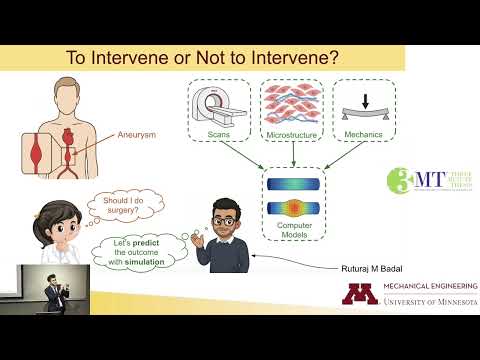
Aneurysms cause hundreds of thousands of deaths each year, yet most never rupture. This research applies vascular mechanics, medical imaging, and multiscale simulations to model how arteries grow and weaken over time. By predicting which aneurysms will burst, it aims to guide safer, patient-specific treatment decisions and prevent fatal outcomes.

This research develops an objective, data-driven approach to return-to-sport decisions after pediatric knee surgery. Using motion capture and advanced data analysis, it identifies hidden movement patterns linked to re-injury risk. The goal is to improve clinical decision-making, reduce repeat injuries, and make injury prevention more accessible beyond specialist clinics.

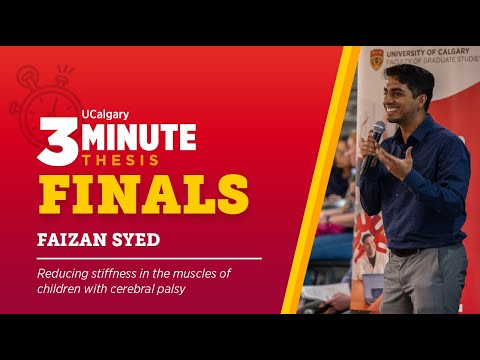
This research targets muscle stiffness in children with cerebral palsy by breaking down excess collagen in the muscle’s extracellular matrix. Treating muscle tissue with collagenase reduced stiffness by 50% without weakening muscle strength. The findings offer a promising step toward therapies that improve mobility, reduce pain, and enhance quality of life.

This thesis develops a vibro-tactile rhythmic-haptic cueing system based on Afro-diasporic polyrhythms to support gait improvement in neurodegenerative conditions. Using foot-based sensors and calibrated vibrations, the system increased cadence by 2–3%. The work challenges historical pathologizing of Black music and reframes it as therapeutic, culturally grounded neurotechnology.

Bumblebees navigate complex environments by using optic flow—the motion of images across their eyes—to estimate speed and detect obstacles. Unlike other insects that rely on lateral optic flow, bumblebees monitor the frontal-lateral field to see hazards earlier. This research reveals how bees avoid collisions and informs bio-inspired flight control.

SVAS (Supravalvular Aortic Stenosis) is a rare condition where the aorta loses elasticity, causing dangerous thickening and narrowing. Using stem-cell technology, the researcher converts skin cells into aortic smooth muscle cells to study the disease and test treatments. A promising compound restores elasticity-related structures, offering hope for future therapies and broader disease modelling.

This research investigates whether ballet training can reduce fall risk in older adults. Comparing dancers to non-dancers during unexpected slips, ballet-trained participants showed better stability, faster muscle responses, and fewer falls. The project aims to develop a validated ballet-based fall-prevention syllabus that could significantly improve independence and reduce healthcare costs.