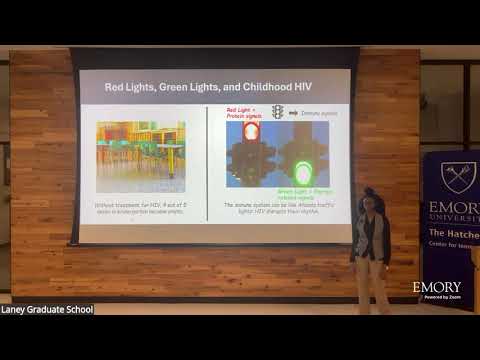
This research investigates how HIV disrupts the developing immune system in early life. Using a baby monkey model of HIV infection, the study identifies immune signals that either promote or limit infection spread. The findings could guide new immune-targeted therapies that improve survival and long-term outcomes for children living with HIV.
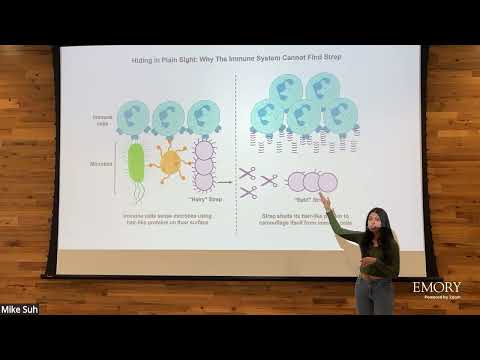
This research reveals how Streptococcus evades immune attack by shedding its hair-like surface proteins, distracting immune cells while provoking excessive immune activation. The findings provide a new explanation for how recurrent strep infections can trigger autoimmune diseases and suggest treatments should target both the bacteria and the immune response.

This research investigates how antiviral drug resistance develops by examining structural changes in viral proteins. Using protein crystallography, it identified why SARS-CoV-2 mutations prevent Paxlovid binding and discovered two compounds capable of inhibiting resistant viruses. The findings could guide development of more effective antivirals against future drug-resistant viral infections.

This research develops an affordable, scalable platform for recording electrical activity from brain organoids. Using innovative basket-shaped sensors made from a low-cost conductive material, the system enables simultaneous recording from dozens of mini-brains, accelerating drug discovery and improving our understanding of brain diseases with more human-relevant laboratory models.

This research engineers DNA-modified exosomes to deliver drugs precisely to cancer cells while avoiding healthy tissue. By disguising natural cell-targeting signals and adding programmable DNA targeting molecules, the platform could reduce treatment side effects and provide a modular delivery system adaptable to many cancers and other diseases.

This research challenges the long-standing assumption that brain regions causing no errors during awake brain surgery are functionally unimportant. By measuring subtle delays in speech rather than errors alone, it introduces causal parametric mapping, offering surgeons a more sensitive way to preserve language function and improve patient outcomes.
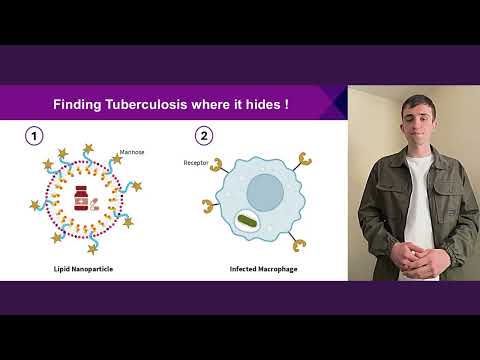
This research develops targeted lipid nanoparticle delivery systems to improve tuberculosis treatment and vaccination. By replacing PEG coatings and using mannose to target infected macrophages, it aims to deliver drugs more effectively, reduce treatment duration, improve vaccine performance, and contribute to the global elimination of tuberculosis.

This research investigates whether the diabetes drug dapagliflozin (DAPA) can be repurposed to treat metabolic dysfunction-associated steatotic liver disease (MASLD). Using laboratory models, it examines fat accumulation and NHE1 ion channel function, aiming to develop a cost-effective treatment for two closely linked metabolic diseases with one existing medicine.

This thesis examines cytokine release storm, where the immune system becomes dangerously overactive. Using rat models, mathematical modelling, science and coding, she maps how corticosteroids move through organs and control inflammation. The goal is to optimise treatment for CRS during cancer therapy, COVID or future pandemics.

2026
This research investigates how misfolded Islet Amyloid Polypeptide (IAPP), a protein associated with Type 2 diabetes, affects blood clot formation. Laboratory experiments showed that misfolded IAPP creates unusually dense and resilient clots. These findings may help explain elevated cardiovascular risk in diabetes and identify new targets for preventing heart attacks and strokes.