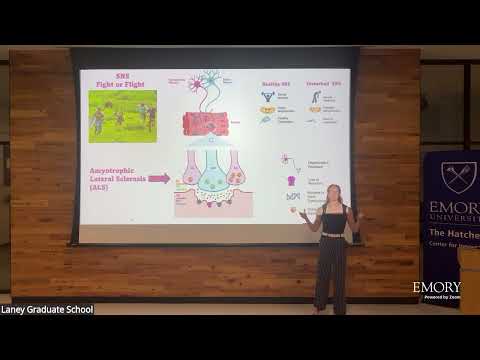
This talk explains how devastating brain diseases such as Parkinson’s disease and dementia may begin not in the brain, but in the gut. The speaker describes how a protein called alpha-synuclein can change shape, form toxic complexes, and spread from cell to cell, traveling from the gut to the brain via neural connections. Once in the brain, these toxic complexes disrupt movement, memory, and thinking. The research identifies a key protein, FABP2, that promotes this harmful process by interacting with alpha-synuclein. By targeting and breaking this interaction early—at the level of the gut—the work aims to prevent neurodegenerative disease before irreversible brain damage occurs, potentially reducing patient suffering as well as medical and societal costs.

This research examines a peer-led support group for people with early-onset Parkinson’s disease, exploring their unique needs compared with older adults. The study identifies the benefits and barriers of stakeholder-led groups, clarifies the role of clinical professionals, and produces a co-designed resource to guide future peer-led support initiatives.