This research investigates whether replacing meat with fish could improve nutrition while supporting more sustainable diets. Modelling UK and Irish dietary data found that replacing even 25% of meat increased intake of key nutrients, including vitamin D, omega-3, selenium, and iodine, suggesting simple dietary swaps could benefit health and sustainability.
2025
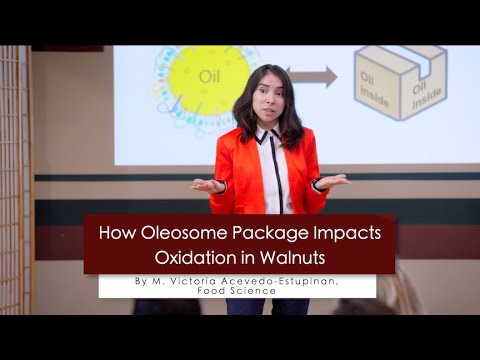
This research investigates oleosomes, natural oil-protecting structures found in plants, as a way to preserve healthy lipids against oxidation. Using walnuts as a model system, the study showed that intact oleosomes dramatically extend lipid stability and shelf life, potentially enabling healthier, more sustainable food products rich in beneficial fats.

2025
This research investigates taste alterations experienced by cancer patients during chemotherapy and radiotherapy. Using electrogustometry and flavour profile analysis, the study measures and categorizes changes in taste perception to guide the development of tailored food products that improve nutrition, comfort, and quality of life for people undergoing cancer treatment.

2026
This research challenges the one-size-fits-all approach to obesity by comparing childhood- and adult-onset cases. Through physiological testing before and after weight loss, it examines differences in inflammation, metabolism, and fitness. Findings aim to support personalised treatments, improving patient outcomes and reducing the broader healthcare burden associated with obesity.

This study explored food choices among high school students in Bosnia and Herzegovina, addressing a major lack of local data. Through surveys and interviews, it revealed that students care about health and sustainability but need involvement in shaping solutions. Meaningful change requires listening to youth and making healthier choices easier.
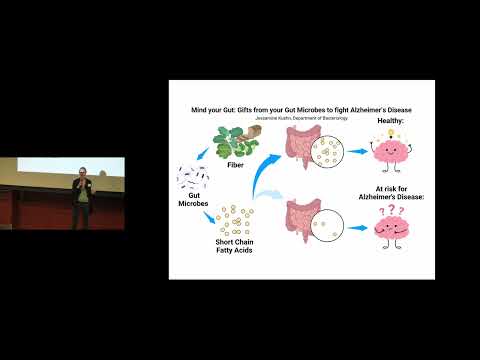
This thesis investigates how gut microbes influence brain health through short-chain fatty acids produced from dietary fibre. Measuring these compounds in stool samples, the research finds lower levels in people at risk for Alzheimer’s disease. The next phase tests whether supplementing short-chain fatty acids can prevent or treat Alzheimer’s in mouse models.
This research examines nutrition and hydration challenges after ileostomy surgery. Interviews and surveys reveal widespread fear, confusion, and poor hydration knowledge due to inconsistent advice. By developing evidence-based dietary guidance, this work aims to reduce complications, improve quality of life, and help ileostomates eat and drink with confidence.
This research tackles Canada’s massive meat-by-product waste by repurposing highly nutritious organs into sustainable, functional food products. Through consumer surveys, protein extraction, and product development, the project aims to shift discarded by-products into valuable ingredients, reducing waste, improving sustainability, and opening new market opportunities for the food industry.