Home
My-Thesis
Real scholars, real research
User account menu
  • Log in
Main navigation
  • Home
  • About
  • Contact
  • Site search
  • Blog

Breadcrumb

  1. Home

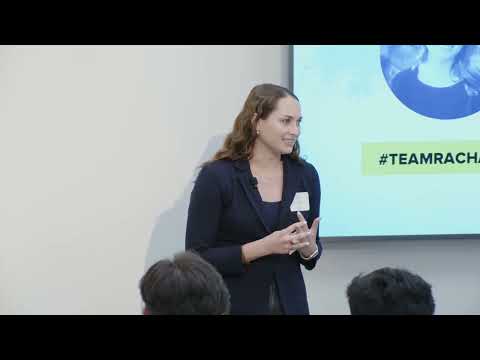
The Sleeping Brain in a Digital World - Rachael Kee

UC Davis
2026
sleep
Sleep Research
Screen Time
Smartphone Use
Digital Media
Media Use
Sleep Quality
Sleep Health
Bedtime Screen Use
digital wellbeing
Sleep Tracking
Sleep Technology
Mobile Health
Research App
Sleep Measurement
Sleep Behaviour
Media Psychology
Health Psychology
digital health
Blue Light
circadian rhythms
Insomnia
Bedtime Habits
Sleep Displacement
Media Recovery
Smartphone Tracking
Self-Reports
Brain Activity
Sleep Laboratory
Real-World Data
Ecological Measurement
Mobile Technology
behavioural research
mental health
depression
Alzheimer's Disease
diabetes
Sleep Hygiene
Technology And Sleep
digital behaviour

This research challenges the assumption that screens are always harmful to sleep. Digital media may either displace rest or help people relax, depending on how it is used. A new research app combines sleep tracking, smartphone activity, and daily self-reports to investigate real-world relationships between media use and sleep.
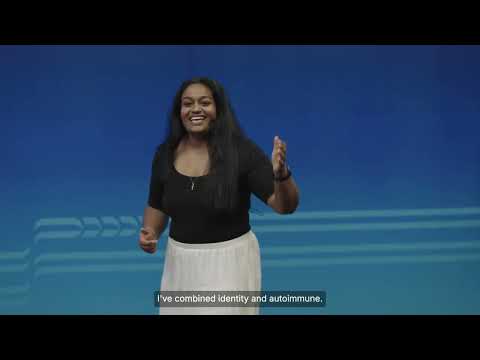
Who Am I Now? Illness and identity - Nikki Singh

University of Auckland
2026
autoimmune disease
Autoimmune Conditions
chronic illness
identity
Self-Identity
Health Psychology
public health
young adults
chronic disease
Invisible Disability
disability
mental health
wellbeing
Illness Identity
patient experience
qualitative research
Interview Study
health behaviour
Self-Management
chronic disease management
psychology
Medical Sociology
healthcare
Patient-Centred Care
chronic conditions
New Zealand
Aotearoa
immune system
Autoimmune Research
Health Outcomes
Body Image
Disordered Eating
Substance Misuse
lived experience
health research
Social Identity
behaviour change
Healthcare Research
Chronic Illness Support
quality of life

This research explores how autoimmune disease affects identity in young adults. Interviews with 25 New Zealanders revealed that diagnosis reshapes identity, relationships with the body, and perceptions of disability. The findings suggest that supporting identity—not just treating disease—could improve health behaviours, wellbeing, and long-term outcomes for people with autoimmune conditions.
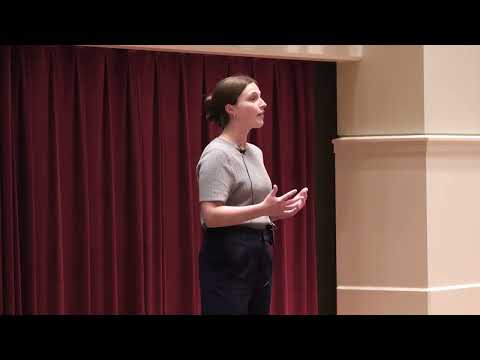
 

In the Moment: Alcohol and Suicide Attempt Severity in the U.S. Military - Tyler Rice

Florida State University
2026
suicide prevention
Military Mental Health
Veterans
Alcohol Misuse
psychology
clinical psychology
public health
Suicide Research
mental health
substance use
behavioral health
Veteran Health
crisis intervention
addiction research
Military Communities
Alcohol and Suicide
mental health research
Active Duty Service Members
Health Psychology
psychological research
suicide risk
Emergency Mental Health
Psychiatric Research
impulsivity
emotional regulation
public policy
prevention science
Healthcare Intervention
Veteran Support
Military Psychology
crisis response
Mental Health Awareness
behavioral science

This research examines how alcohol affects the severity and outcomes of suicide attempts among military service members and veterans. By analyzing documented attempts and personal narratives, the study reveals that alcohol often increases impulsivity and lethality, while occasionally interrupting attempts unintentionally, highlighting the need for alcohol-aware suicide prevention strategies.

Subscribe to Health Psychology
Footer
  • About My-Thesis.org
  • Contact
  • Website terms and conditions
  • Cookies
  • Privacy policy

Partners

Logo
University of Bristol logo