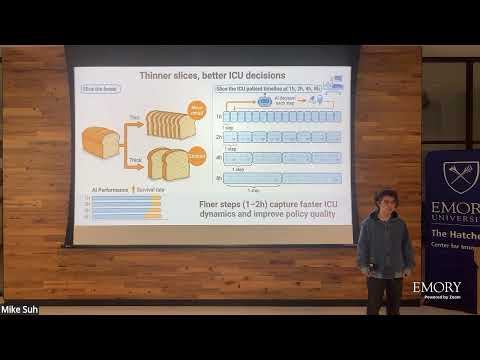
This research investigates how the choice of time interval affects reinforcement learning models for sepsis treatment in intensive care. By comparing one-, two-, four-, and eight-hour patient timelines, it demonstrates that shorter intervals better capture patient dynamics, improve estimated survival outcomes, and may enable more effective AI-assisted clinical decision-making.
2025
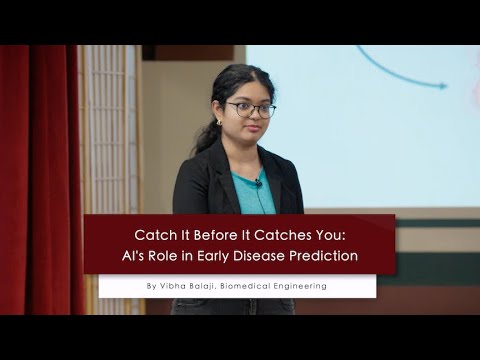
This research uses artificial intelligence to predict the progression of Alzheimer’s disease and cancer using medical imaging data. By analyzing brain scans, tumor scans, and treatment responses, AI models can forecast disease development and treatment outcomes, enabling earlier intervention, more personalized care, and improved quality of life for aging populations.