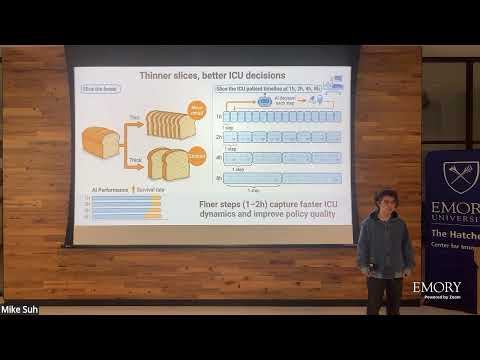
This research investigates how the choice of time interval affects reinforcement learning models for sepsis treatment in intensive care. By comparing one-, two-, four-, and eight-hour patient timelines, it demonstrates that shorter intervals better capture patient dynamics, improve estimated survival outcomes, and may enable more effective AI-assisted clinical decision-making.

This research develops an AI model that combines thyroid ultrasound imaging with genetic testing to improve diagnosis of indeterminate thyroid nodules. By integrating molecular and imaging data, the model helps distinguish benign from cancerous nodules more accurately, reducing unnecessary surgeries and improving clinical decision-making for thyroid cancer patients.

2026
This research uses machine learning, data mining, and optimization techniques to identify hidden relationships between products in retail shopping baskets. By analyzing over two million transactions, it predicts how promotions affect demand across products and helps retailers design smarter discount strategies, improve inventory planning, increase profits, and enhance customer satisfaction.

This research uses wearable data and AI to detect disease earlier by analyzing continuous health signals rather than isolated clinical snapshots. By personalizing models to individual baselines, the system identifies subtle changes linked to conditions like infections, heart issues, and mental health crises, enabling earlier intervention and potentially saving lives.
2026
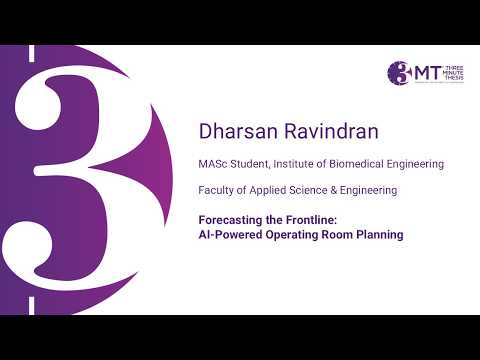
This research uses machine learning to predict trauma demand and optimise hospital scheduling. By forecasting patient volume and dynamically allocating operating rooms, it reduces cancellations, improves efficiency, and lowers costs. The system has the potential to transform healthcare delivery by balancing emergency and elective care more effectively.
2025
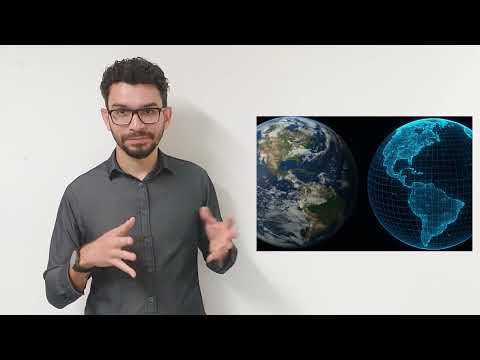
This research explores next-generation digital twins—virtual representations of real-world systems that support decision-making through simulation and AI. By combining decentralization, privacy-preserving architectures, explainable AI, and scenario analysis, the work aims to help individuals and organizations evaluate alternative futures, make informed decisions, and build more transparent intelligent systems.