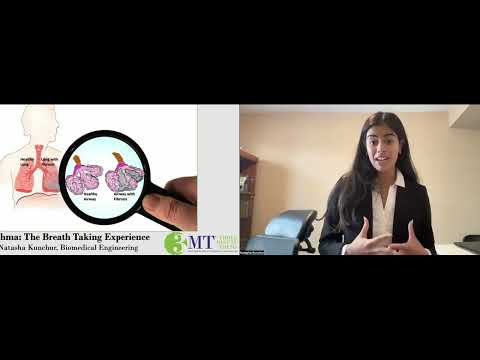
This research investigates asthma’s underlying mechanisms, focusing on airway fibrosis and the extracellular matrix. Using Raman spectroscopy, researchers generate molecular “barcodes” of lung tissue. Artificial intelligence is then applied to analyze complex data, aiming to identify key biological drivers of asthma and move beyond temporary treatments toward deeper understanding and potential long-term solutions.

Healing depends on a balance between extracellular matrix stiffness and cellular recycling through autophagy. This research shows that disrupted balance leads to chronic wounds or fibrotic scarring. By engineering materials with tunable stiffness, the work reveals how cells “sense” their environment, opening new paths to guide healthier wound healing.
2025
This research targets muscle stiffness in children with cerebral palsy by breaking down excess collagen in the muscle’s extracellular matrix. Treating muscle tissue with collagenase reduced stiffness by 50% without weakening muscle strength. The findings offer a promising step toward therapies that improve mobility, reduce pain, and enhance quality of life.
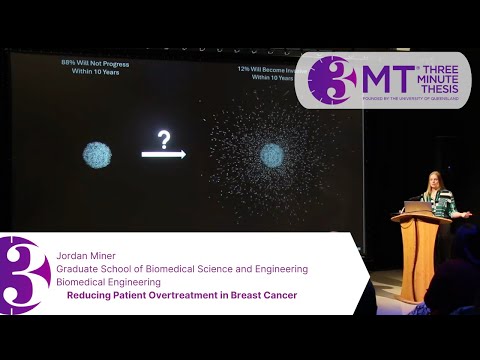
My research investigates collagen-binding receptors on breast cancer cells as potential biomarkers to distinguish harmless early-stage tumours from aggressive ones. Using genetically matched 3D cancer models, the project identifies how receptor activity affects invasion and collagen organization, aiming to reduce overtreatment and support clearer clinical decisions for early breast cancer patients.