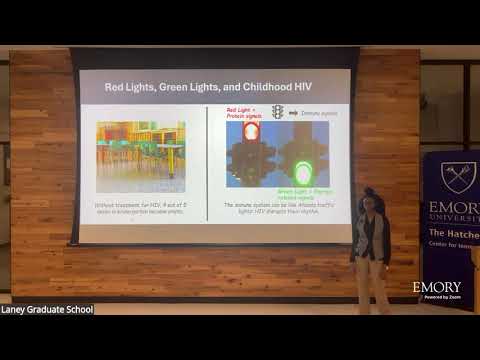
This research investigates how HIV disrupts the developing immune system in early life. Using a baby monkey model of HIV infection, the study identifies immune signals that either promote or limit infection spread. The findings could guide new immune-targeted therapies that improve survival and long-term outcomes for children living with HIV.
2026
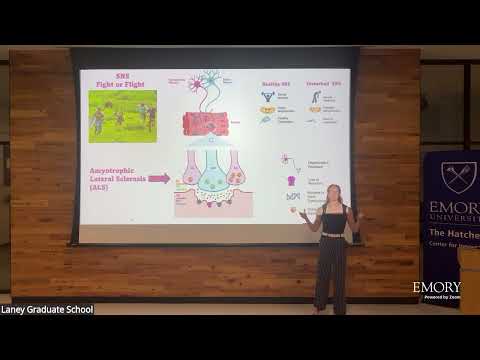
This research shows that the sympathetic nervous system is disrupted at the earliest stages of ALS, despite sympathetic neurons themselves remaining intact. Early loss of signalling receptors may contribute to muscle degeneration and disease progression, identifying new opportunities for earlier diagnosis and therapies that preserve muscle function and improve patient outcomes.

2025
This dissertation develops brain-charting methods to support precision psychiatry and neurology by measuring how an individual’s brain differs from population norms. Using normative modelling, it replaces conventional case-control averages with personalised deviation scores across age and disease progression. The research introduces warped normative models for non-Gaussian imaging data and multivariate extreme-value methods for identifying unusual patterns across brain regions. Applications to rare copy-number variants and Parkinson’s disease reveal individual differences obscured by group averages. The defence also examines longitudinal monitoring, environmental influences, resilience, ethics, stigma and clinical implementation, while emphasising that brain deviations alone cannot define pathology or determine treatment.
This research seeks blood-based biomarkers that predict which people infected with Chagas disease will later develop life-threatening cardiomyopathy. By analysing immune proteins in blood samples from Bolivia, it aims to enable earlier diagnosis, targeted monitoring, and preventative treatment, offering a model for predicting and preventing many chronic diseases before irreversible damage occurs.
This research investigates a new targeted treatment strategy for kidney cancer by inhibiting the cancer-promoting protein PIM1 while enhancing TRAIL-mediated apoptosis. Together with the FDA-approved drug ONC201, this combination restores cancer cells' ability to self-destruct, offering a promising therapeutic approach now being evaluated in preclinical studies.

This research identifies UCH-L1 as a promising blood biomarker directly linked to human eggs, offering a new way to measure ovarian reserve. A simple blood test could improve fertility assessment, detect premature ovarian aging earlier, and provide valuable insights into broader aspects of women's health, including cardiovascular health, cognitive aging, and longevity.
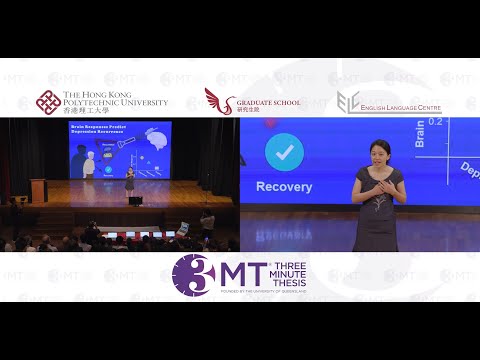
This study introduces a “brain stress test” for depression, combining targeted brain stimulation with neuroimaging. Depressed individuals show exaggerated brain responses, which increase with repeated episodes. The test may serve as an early warning signal, helping clinicians identify relapse risk and intervene before depression returns.
2025
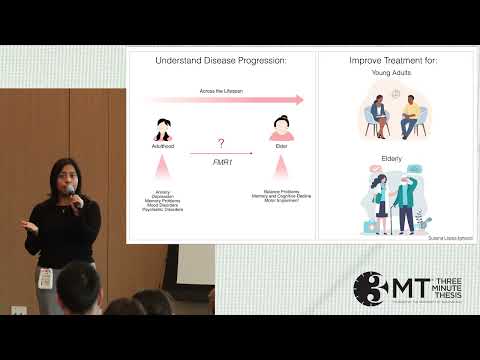
Psychiatric symptoms often precede neurodegenerative diseases, but the biological link remains unclear. This research examines the FMR1 gene using postmortem brain tissue to uncover shared molecular mechanisms, aiming to predict neurodegeneration earlier, improve treatment strategies, and reframe psychiatric symptoms as potential early warning signs.
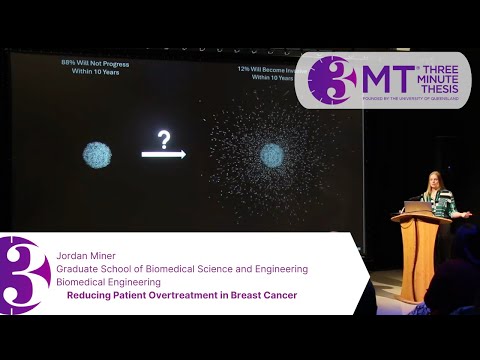
My research investigates collagen-binding receptors on breast cancer cells as potential biomarkers to distinguish harmless early-stage tumours from aggressive ones. Using genetically matched 3D cancer models, the project identifies how receptor activity affects invasion and collagen organization, aiming to reduce overtreatment and support clearer clinical decisions for early breast cancer patients.

This research focuses on developing reliable blood-based biomarkers to evaluate new treatments for hereditary frontotemporal dementia. By identifying an imbalance between two key molecules, progranulin and prosaposin, the work aims to provide accurate measures of treatment effectiveness and bring hope to families carrying this devastating genetic condition