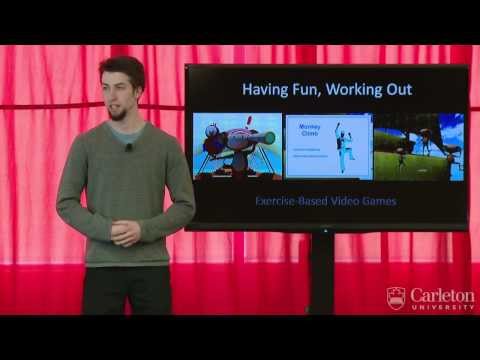
This research explores exergames that combine gaming and exercise to improve fitness. By integrating adaptive difficulty, full-body motion, and narrative storytelling, it aims to create experiences that are both engaging and physically effective. The goal is to motivate sustained exercise by making workouts enjoyable and personalized through game design.
This research challenges the one-size-fits-all approach to obesity by comparing childhood- and adult-onset cases. Through physiological testing before and after weight loss, it examines differences in inflammation, metabolism, and fitness. Findings aim to support personalised treatments, improving patient outcomes and reducing the broader healthcare burden associated with obesity.
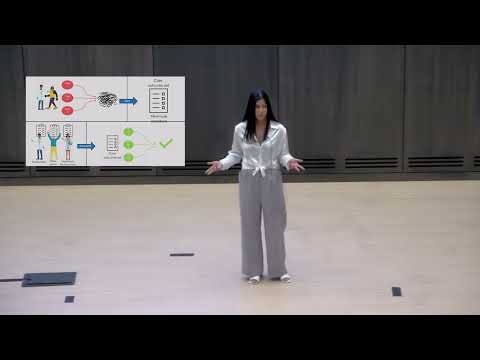
This research creates a core outcome set for clinical trials of physical activity in older adults. Because trials currently measure inconsistent outcomes, evidence cannot be easily combined. Using a multi-round expert and stakeholder survey, the project will establish essential outcomes to reduce research waste, improve knowledge synthesis, and strengthen healthcare decisions.
This research investigates whether ballet training can reduce fall risk in older adults. Comparing dancers to non-dancers during unexpected slips, ballet-trained participants showed better stability, faster muscle responses, and fewer falls. The project aims to develop a validated ballet-based fall-prevention syllabus that could significantly improve independence and reduce healthcare costs.