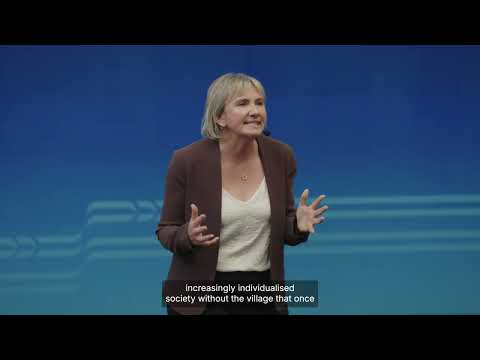
This research examines how maternal self-efficacy develops during matrescence, the transition to motherhood. Through interviews with new mothers and analysis of the SPACE programme, it shows that confidence in parenting grows not from perfection but from supportive environments, highlighting the need to rebuild community support for new mothers.
2026
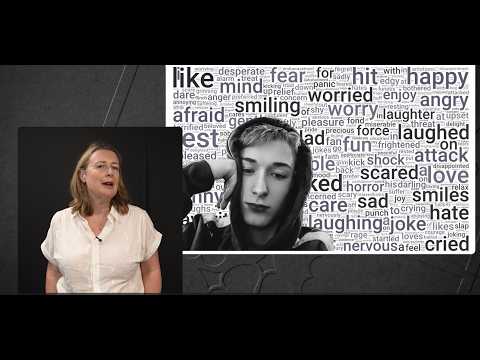
This research investigates whether teenagers miss important socio-emotional development when they stop reading fiction. Using a 2.4 million-word corpus compiled from books read by nearly 700 adolescents, it found rich emotional vocabulary and physical descriptions of emotions that may strengthen emotion recognition, emotional regulation, empathy, and adolescent mental health.
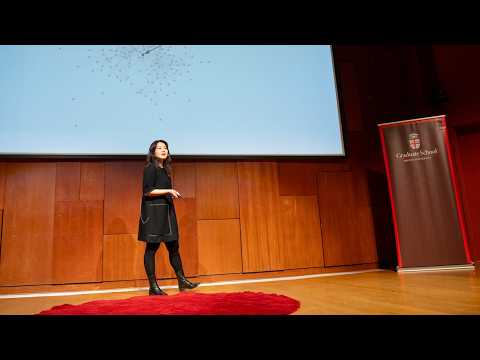
This research investigates how people strategically spread gossip by reasoning about social networks. Through laboratory experiments and real-world friendship networks, it shows that individuals balance social distance and popularity to maximize information spread while minimizing personal risk, revealing sophisticated cognitive mechanisms that support human communication and social intelligence.
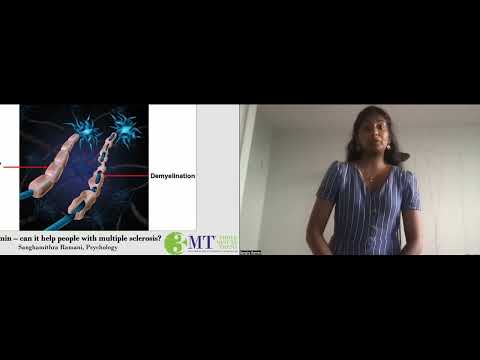
This research examines whether metformin, a common diabetes drug, can improve social cognition in individuals with multiple sclerosis by promoting remyelination. Since MS damages nerve insulation, affecting brain function, the study explores whether treating co-occurring diabetes can reduce inflammation and symptoms, potentially leading to new regenerative therapies and improved quality of life.
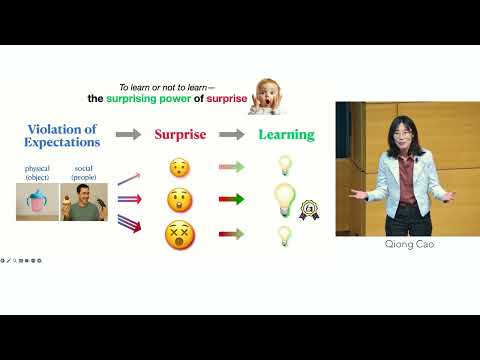
Babies are exceptional learners, possibly because they use surprise to guide attention and learning. My research shows that infants learn more after surprising physical or social events. Adults show a Goldilocks effect—optimal learning from moderate surprise. Understanding surprise-based learning in babies may help improve future artificial intelligence systems.
2018
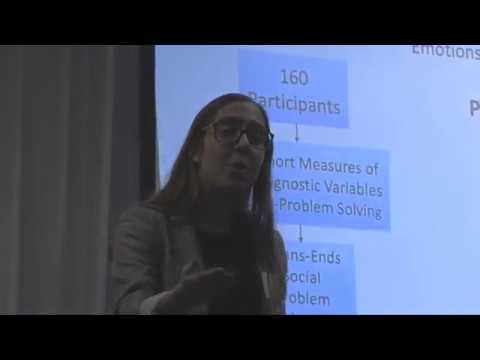
This research investigates why people struggle with interpersonal problem-solving, especially in the context of psychological disorders. Using surveys and the MEPS task with 160 participants, the study found that emotion-regulation difficulties and experiential avoidance explain 46% of poor problem-solving. Improving emotional acceptance may significantly enhance responses to interpersonal conflict.