2026
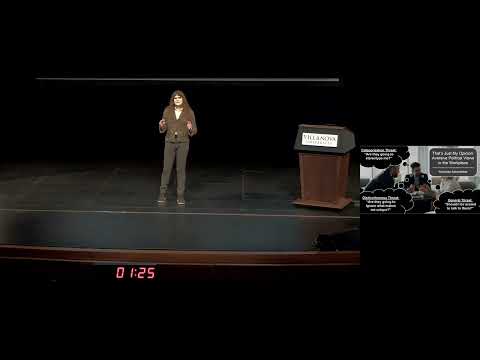
Political polarization increases identity threat during social interactions. This study examines how liberals and conservatives respond to politically and apolitically negative comments. Results show different types of identity threat emerge depending on context, with both groups experiencing similar levels overall. Findings highlight the complexity and nuance of identity threat in political engagement.