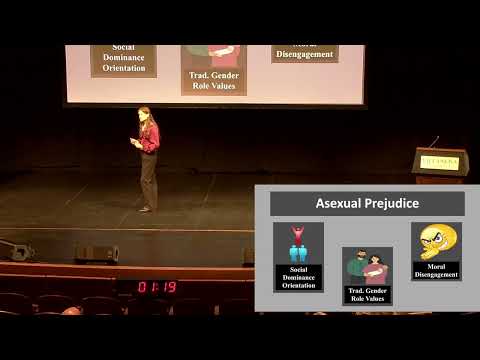
This study examines prejudice toward asexual individuals by analyzing links with social dominance orientation, traditional gender roles, and moral disengagement. Surveying 300 participants, it finds all three traits predict higher prejudice. The research advances understanding of bias mechanisms and informs future interventions to reduce discrimination against asexual individuals.

2026
Political polarization increases identity threat during social interactions. This study examines how liberals and conservatives respond to politically and apolitically negative comments. Results show different types of identity threat emerge depending on context, with both groups experiencing similar levels overall. Findings highlight the complexity and nuance of identity threat in political engagement.
2026
This research examines how prior victim or defendant status influences courtroom outcomes. Using Philadelphia court data, it finds that individuals with dual roles receive different treatment depending on context—leniency as defendants but weaker outcomes as victims. The findings challenge assumptions of neutrality and raise concerns about fairness and consistency in the justice system.

This research examines how trauma-related emotional expression influences police perceptions of victim credibility in sexual assault cases. By testing whether brief trauma education reduces bias, it proposes a low-cost intervention to improve investigative decisions. The goal is to ensure victims are believed based on evidence, not emotional display, promoting justice and accountability.