This study mapped land use changes in the Grombalia Region of Tunisia using Sentinel-2 imagery and machine learning. Three classifiers—Random Forest, SVM, and CNN—were compared. Random Forest achieved the highest accuracy. Results highlight agricultural changes over time and demonstrate the effectiveness of remote sensing for environmental monitoring.
This study analyzed plant community succession in Mediterranean ecosystems affected by climate stress and wildfires. Results show that early stages are dominated by abiotic filters, while biotic interactions grow over time. Biodiversity increases with succession, but frequent disturbances limit recovery, shaping long-term functional and phylogenetic community structure.
This research develops synthetic communities of beneficial xylem-inhabiting bacteria to control olive vascular diseases caused by Verticillium dahliae and Xylella fastidiosa. Over 300 bacterial strains were screened for biocontrol traits, and compatible candidates were combined into effective communities. Preliminary plant trials show promising results for sustainable, microbiome-based disease management.
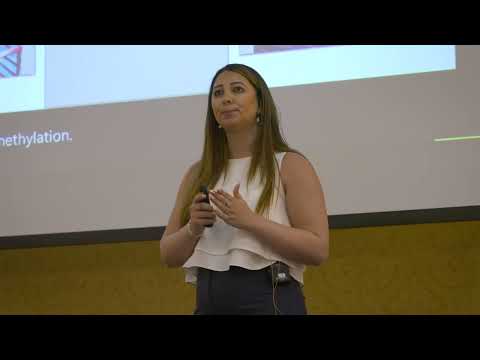
This research investigates Large Granular Lymphocyte Leukemia, where protective T cells become cancerous. The project explores how DNA methylation silences normal T-cell function and tests drugs that reverse this process. By removing harmful chemical modifications, the goal is to restore immune cells to their healthy, protective “superhero” role.