This research engineers DNA-modified exosomes to deliver drugs precisely to cancer cells while avoiding healthy tissue. By disguising natural cell-targeting signals and adding programmable DNA targeting molecules, the platform could reduce treatment side effects and provide a modular delivery system adaptable to many cancers and other diseases.
2025
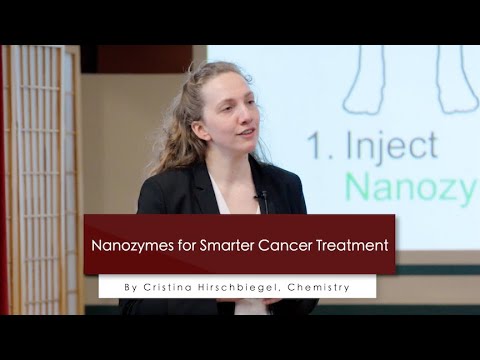
This research develops “nanozymes,” nanoparticle-based catalysts that activate cancer drugs directly at tumor sites. Instead of carrying large amounts of chemotherapy drugs, nanozymes locally trigger inactive drugs into their active form only within cancer tissue. Early mouse studies show effective tumor destruction with significantly reduced side effects compared to conventional chemotherapy.
2026
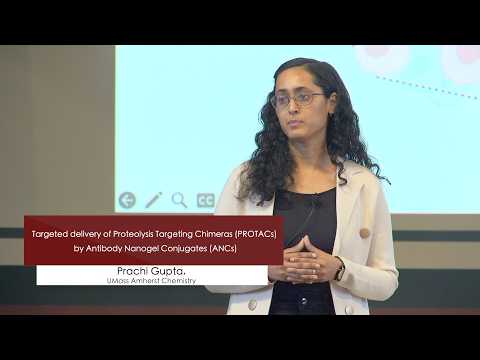
This research develops nanoscale “smart package” delivery systems for PROTAC cancer drugs. Antibody nanogel conjugates selectively target cancer cells, enter them, and release therapeutic molecules while minimizing exposure to healthy tissue. The approach improves delivery efficiency and aims to reduce the severe side effects that often limit cancer treatment.
This PhD thesis defence uses high-throughput CRISPR variant engineering to study how cancer mutations drive tumour behaviour. A prime-editing sensor enables efficient functional screening of ~1,000 TP53 patient variants, revealing effects missed by cDNA overexpression. Directed base-editing screens map resistance mutations across CDKs and drug modalities, predicting clinically relevant therapy response.