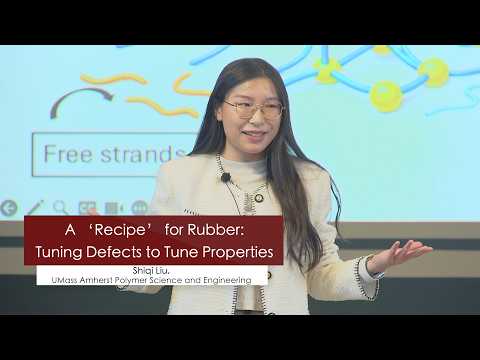
This research investigates how microscopic structural defects affect the performance of rubber materials. By creating nearly defect-free polymer networks and introducing controlled flaws individually, the work isolates how each defect changes material behavior. The findings could improve the design of stronger, safer, and more reliable rubber products used across industry and medicine.


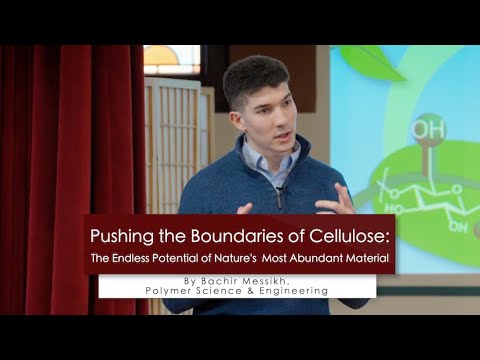
This research develops a new chemical process for modifying cellulose while keeping it in water, overcoming longstanding compatibility problems between cellulose and oil-soluble molecules. The method enables cellulose to incorporate electronic and pharmaceutical components, opening pathways toward sustainable electronics, advanced materials, targeted medicines, and greener technologies based on renewable natural resources.

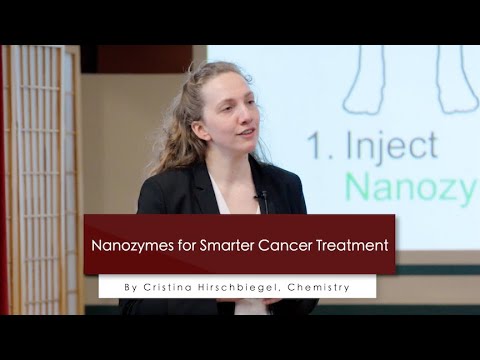
This research develops “nanozymes,” nanoparticle-based catalysts that activate cancer drugs directly at tumor sites. Instead of carrying large amounts of chemotherapy drugs, nanozymes locally trigger inactive drugs into their active form only within cancer tissue. Early mouse studies show effective tumor destruction with significantly reduced side effects compared to conventional chemotherapy.

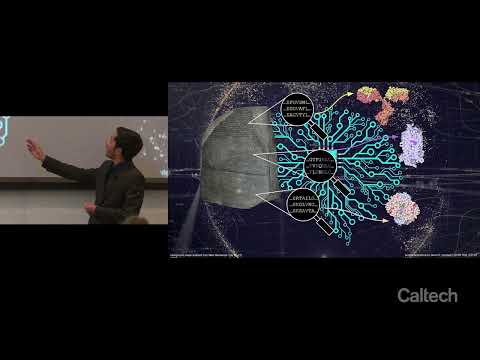
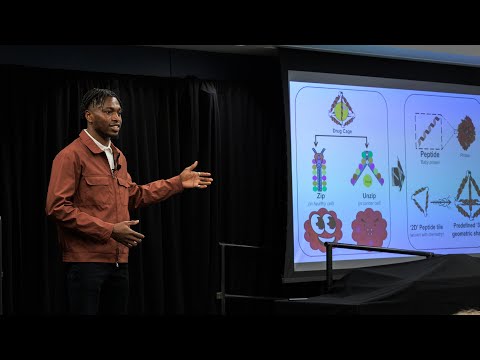
The talk describes using AI language models to decipher the hidden “languages” within millions of natural protein sequences. By learning protein vocabulary, syntax, and grammar, researchers can design new molecules that fight cancer, degrade plastics, capture carbon, and expand biology beyond nature’s rules—advancing medicine, sustainability, and molecular engineering.