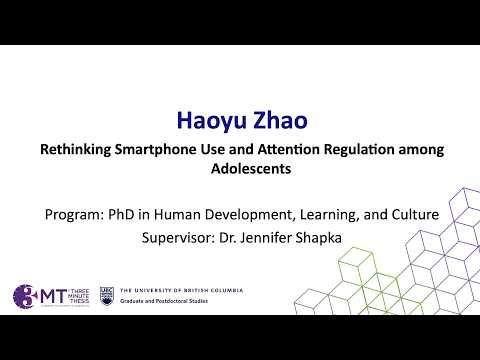
This study examined more than 2,000 adolescents to explore how habitual smartphone use affects attention. While frequent habitual use predicted poorer attention regulation, smartphones also fulfilled psychological needs for competence, autonomy, and relatedness, which partially protected against these effects, suggesting that how adolescents use smartphones matters as much as how often.
2026
This talk explores red light laser therapy as an accessible recovery approach for minor brain injury. Using a portable device applied to eight head areas, the research tracks fatigue, pain, attention, memory, brain activity and saliva markers. Early participants showed improved symptoms, suggesting promise for practical, inclusive brain health support.
2026
This neuroscience study investigated why time sometimes feels longer than it really is. By replacing simple geometric shapes with animal images, the researcher tested whether arousal or novelty drives temporal dilation. Results supported the oddball effect, showing that stimulus change, rather than emotional significance, was the primary factor influencing perceived duration.

This research explores “emotional infrastructure” in cities—small, often overlooked traces like graffiti and stickers that foster connection and belonging. It argues that urban experience is shaped not just by physical structures but by shared emotional signals, urging people to break out of digital isolation and engage with the lived environment around them.
2026
This research shows that pauses in information streams alter decision-making. After a break, the brain increases effort, giving greater weight to subsequent information—a “peak-after-break” effect. A computational model explains this as a performance-effort tradeoff. Findings challenge traditional theories and suggest strategic pauses can shape attention, memory, and judgment.
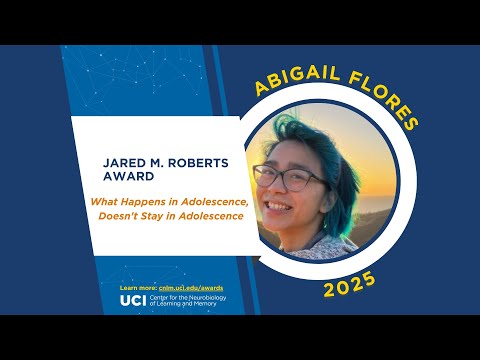
This research examines how stress during adolescence produces lasting, sex-specific cognitive effects in adulthood. Using an animal model, the work replicates learning and attention deficits seen in humans and investigates cellular communication mechanisms underlying these changes, with the goal of reducing the long-term cognitive impact of adolescent stress.
Large unstructured lecture breaks often disrupt learning, causing distraction and poor recall. This research tests structured “consolidation pauses” where students spend 2–5 minutes reviewing material before break. Results show improved retention, better peer relationships, and up to a full letter-grade boost, demonstrating that small instructional changes markedly improve learning outcomes.
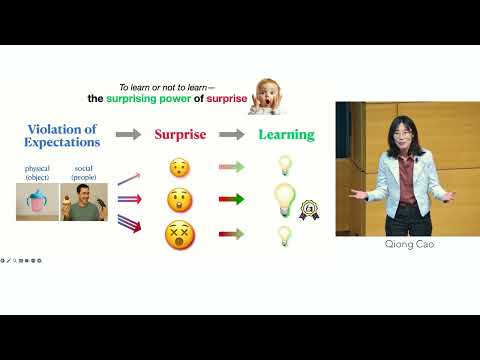
Babies are exceptional learners, possibly because they use surprise to guide attention and learning. My research shows that infants learn more after surprising physical or social events. Adults show a Goldilocks effect—optimal learning from moderate surprise. Understanding surprise-based learning in babies may help improve future artificial intelligence systems.
Learning a new language, even later in life, can boost attention within a single week and support long-term cognitive resilience. Intensive language learners outperform peers in non-language courses, with benefits spanning ages 18–78. Practising five hours weekly maintains gains, offering a promising, accessible strategy for stroke recovery and dementia delay.
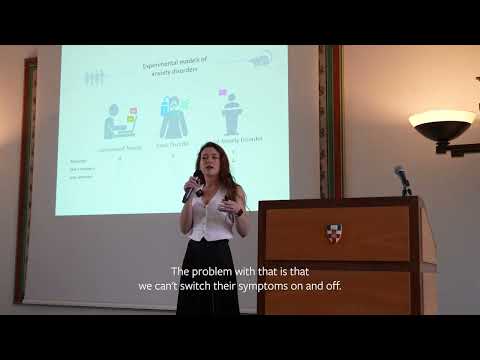
This research compares three experimental models of anxiety — threat of shock, CO₂-induced panic, and speech-induced social anxiety — to reveal how each affects cognition. Findings show distinct patterns in attention, memory, and loss aversion, offering insights that could improve and better tailor treatments for anxiety disorders.