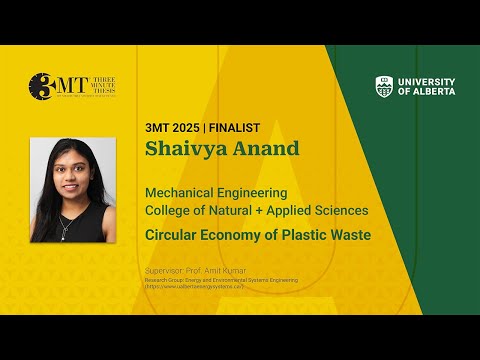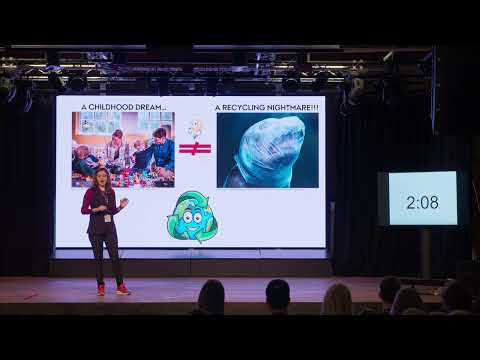
This research explores chemical recycling, a process that breaks mixed plastic waste into molecular components and converts them back into high-quality plastic. The method reduces energy use and emissions, enabling a circular plastic economy. The goal is a sustainable, economically viable system that shifts responsibility across communities rather than individuals.
Fast fashion creates massive environmental damage through synthetic fibres, textile waste, and microplastic pollution. This research develops Ioncell, an eco-friendly, closed-loop technology that dissolves cellulose materials and regenerates durable, biodegradable fibres. It also enables recycling of cellulose textile waste, offering a promising sustainable alternative to synthetic fibres and reducing global textile pollution.
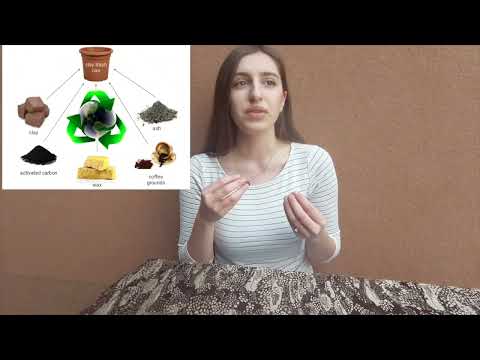
This project develops an odor-absorbing, environmentally friendly garbage bin made from clay, beeswax, and activated carbon. The porous carbon layer captures unpleasant smells, slowing detectable decomposition compared to standard bins. Future work will test waste-derived additives and create new sustainable containers to promote selective waste collection and environmental awareness.
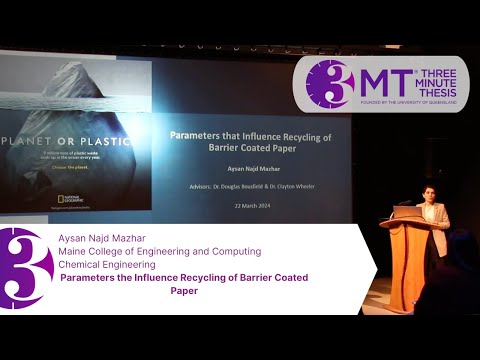
This research tackles the environmental impact of plastic waste by improving the recyclability of coated paper products such as paper cups. By comparing global recycling methods and equipment, the study identifies factors affecting fibre recovery and develops a reliable lab-based protocol to evaluate coated paper recyclability, supporting greener packaging solutions.
My research develops green membrane technologies to extract and recycle lithium sustainably. By selectively filtering lithium ions from complex mixtures without heavy chemical or energy inputs, these membranes offer an alternative to current waste-intensive methods. The goal is to make the lithium supply chain as clean and sustainable as the renewable future it supports.
Pagination
- Previous page
- Page 2