This research explores the untapped potential of locally produced Ontario wool. By processing raw fleece into textiles and studying the characteristics of different sheep breeds, the project highlights how valuable, sustainable materials are being wasted due to a lack of processing infrastructure and advocates for rebuilding local wool economies
2026
This research develops biodegradable “living” water filters grown from kombucha cellulose membranes. Unlike conventional plastic filters, these biofilters can self-defend against harmful microbes and self-repair when damaged. The work aims to create affordable, sustainable, and effective water filtration systems that reduce plastic waste while improving access to clean drinking water.
2025
This research develops a new chemical process for modifying cellulose while keeping it in water, overcoming longstanding compatibility problems between cellulose and oil-soluble molecules. The method enables cellulose to incorporate electronic and pharmaceutical components, opening pathways toward sustainable electronics, advanced materials, targeted medicines, and greener technologies based on renewable natural resources.
2026
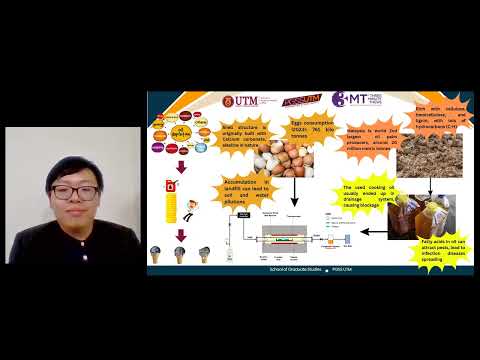
This research converts organic waste—empty fruit bunches, used cooking oil, and eggshells—into biofuel. Using eggshell-derived catalysts lowers energy requirements for pyrolysis, producing hydrocarbon-rich fuels. The approach addresses waste management while reducing reliance on fossil fuels, offering a sustainable and environmentally friendly alternative energy solution.
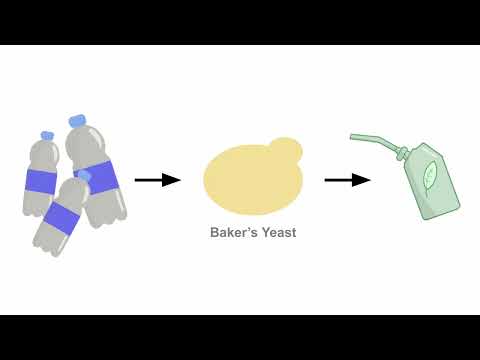
This research engineers yeast to convert PET plastic waste into valuable chemicals like PCA, enabling the production of biofuels, pharmaceuticals, and biodegradable materials. By transforming low-value plastic into high-value products, it offers a scalable biotechnological solution to reduce pollution and support the transition to sustainable, circular economies.

2026
This research transforms human urine into sustainable fertilizer using solar-powered systems that recover nutrients like nitrogen, phosphorus, and potassium. By turning toilets into decentralized fertilizer factories, the approach improves sanitation, reduces reliance on energy-intensive production, and provides affordable fertilizers to underserved farmers, supporting both environmental sustainability and economic development.

This research addresses the trade-off between sustainability and performance in plastics. By developing a “molecular spring” derived from biomass, the work strengthens biodegradable materials like PLA and enables multifunctional bioplastics. The goal is to create durable, convenient, and sustainable alternatives that support a circular economy without sacrificing everyday usability.

2026
This research addresses plastic waste by rethinking polyethylene recycling. Instead of breaking polymers down, it explores chemical upcycling—adding functional groups to create higher-value materials. By transforming waste into useful products, this approach aims to enable a circular plastics economy, reduce pollution, and provide sustainable alternatives to current inefficient recycling methods.
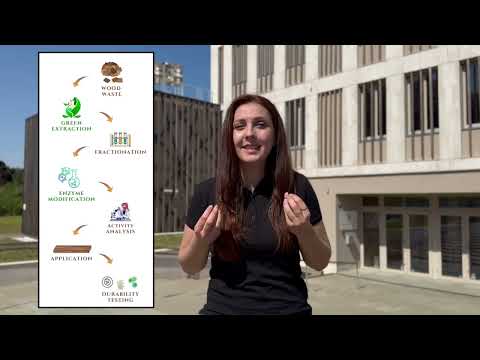
This research transforms wood waste into bio-based protection agents for construction timber. Using green extraction methods and enzymatic modification, natural compounds are isolated and enhanced to replace toxic chemical treatments. Laboratory testing confirms their antimicrobial, antioxidant, and weather-resistant properties, supporting sustainable wood protection and circular economy principles.
2025
This research improves biofuel production from sewage sludge by enhancing cellulose degradation. By isolating and reintroducing naturally occurring bacteria and fungi, sludge treatment efficiency and methane yield increase. The approach reduces waste, supports renewable energy generation, and contributes to replacing fossil fuels with sustainable alternatives.