
This research addresses rural water scarcity in Colombia by developing a household treatment system combining filtration and solar disinfection. Using engineering models, it optimizes flow, pathogen inactivation, and sunlight exposure to ensure reliability. The approach delivers safe, simple, and sustainable water access, reducing disease and improving quality of life in underserved communities.
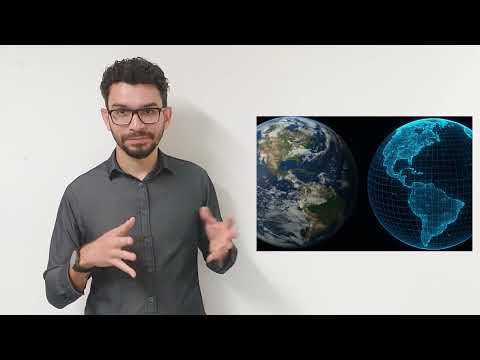
This research explores next-generation digital twins—virtual representations of real-world systems that support decision-making through simulation and AI. By combining decentralization, privacy-preserving architectures, explainable AI, and scenario analysis, the work aims to help individuals and organizations evaluate alternative futures, make informed decisions, and build more transparent intelligent systems.