This research explores how gut bacteria communicate with the brain to regulate appetite. Using zebrafish, it shows that dietary fiber supports microbiome diversity, producing signals that suppress hunger. Disrupted gut–brain communication from low-fiber diets may drive overeating, highlighting new targets for obesity prevention.
This research shows that disrupting the circadian clock in gut cells increases susceptibility to obesity. Experiments in mice reveal that misaligned internal clocks impair metabolic regulation, leading to greater fat accumulation. The findings highlight that meal timing is as important as diet composition and suggest circadian clocks as therapeutic targets.
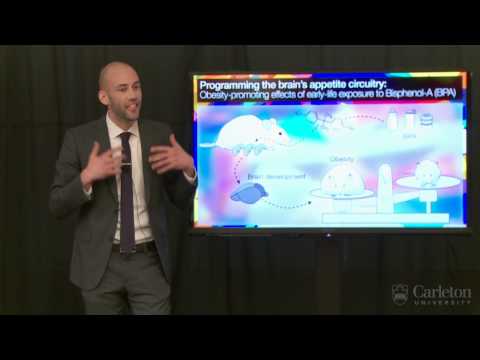
PCBs, toxic “forever chemicals” found in older school buildings, accumulate in body fat and trigger harmful inflammation. This research shows that PCB-exposed fat cells recruit excessive immune cells, creating an uncontrolled inflammatory response that contributes to obesity and diabetes. Understanding this mechanism opens pathways for treatments targeting fat–immune cell communication.
This research uncovers a newly identified neural cluster that controls how much sodium animals want based on internal bodily state. By activating or inhibiting these neurons, salt perception can be shifted without changing food content. Their accessibility and immune-linked receptors offer promising targets for treating sodium overconsumption and related health disorders.
This research investigates how different low-calorie sweeteners interact with the body’s sweet-taste receptor and influence biochemical signaling. By measuring the molecular “messenger” responses triggered by various sweeteners, the project aims to identify which ones have healthier metabolic effects, supporting better choices for weight management, diabetes, and general well-being.
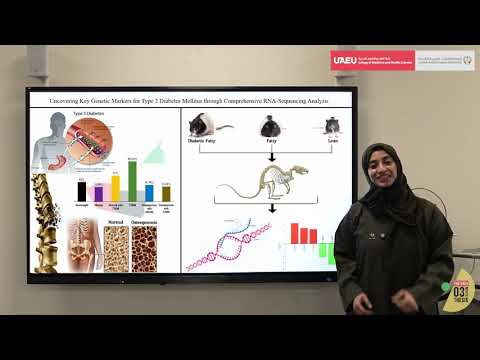
Obesity and type 2 diabetes weaken bones, increasing fracture risk. This research uses animal models of lean, obese, and diabetic conditions to examine how these diseases affect bone strength. By identifying the mechanisms behind bone fragility, the study aims to guide future dietary and therapeutic strategies to protect bone health in affected populations.