
This research investigates whether the diabetes drug dapagliflozin (DAPA) can be repurposed to treat metabolic dysfunction-associated steatotic liver disease (MASLD). Using laboratory models, it examines fat accumulation and NHE1 ion channel function, aiming to develop a cost-effective treatment for two closely linked metabolic diseases with one existing medicine.

2026
This research investigates whether weight loss from the GLP-1 drug semaglutide includes loss of muscle mass. Using an obesity mouse model and direct muscle measurements, the study found significant muscle loss in females but not males. The findings highlight important sex differences and the need to evaluate body composition, not just weight loss.

2015
This research investigates how bisphenol A (BPA), a common plastic chemical, may contribute to obesity. By disrupting hormonal systems during brain development, BPA alters appetite regulation and metabolic set points. Animal studies show increased obesity and diabetes risk, suggesting environmental chemicals may play a significant role in the obesity epidemic.

2026
This research challenges the one-size-fits-all approach to obesity by comparing childhood- and adult-onset cases. Through physiological testing before and after weight loss, it examines differences in inflammation, metabolism, and fitness. Findings aim to support personalised treatments, improving patient outcomes and reducing the broader healthcare burden associated with obesity.
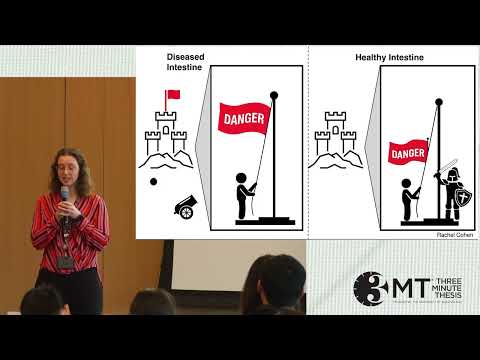
Intestinal cells protect us from harmful bacteria by forming a physical barrier and raising immune danger signals when needed. This research reveals a nuclear “knight” molecule that suppresses unnecessary immune activation during metabolic stress, helping maintain intestinal health and preventing excessive inflammation.

This research shows that the brain’s suprachiasmatic nucleus acts not only as a daily clock but also a seasonal energy switch. Studying hibernating ground squirrels reveals how neural activity shifts between high-energy summer states and ultra-efficient winter modes, with implications for metabolism, seasonal depression, and human hibernation.
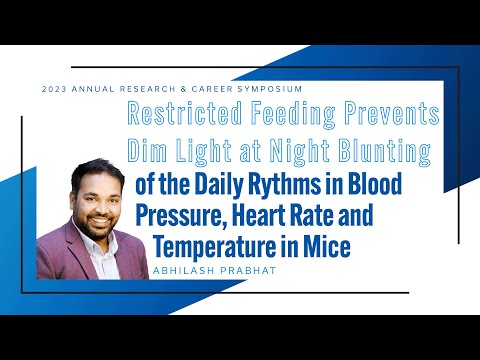
This research shows that artificial light at night disrupts normal cardiovascular rhythms by altering sleep and feeding patterns. In mice, light exposure flattened heart rate and blood pressure cycles, increasing risk. Restricting food intake to active hours restored healthy rhythms, suggesting timing of eating can protect cardiovascular health.

This research shows that disrupting the circadian clock in gut cells increases susceptibility to obesity. Experiments in mice reveal that misaligned internal clocks impair metabolic regulation, leading to greater fat accumulation. The findings highlight that meal timing is as important as diet composition and suggest circadian clocks as therapeutic targets.