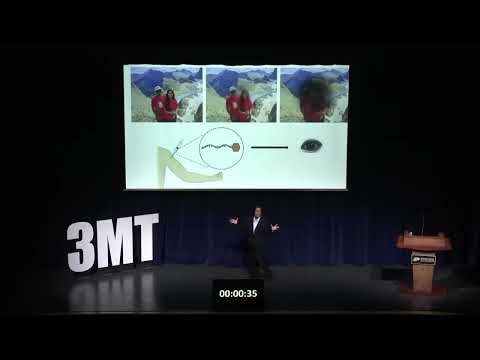
This research develops a targeted anti-VEGF therapy for wet age-related macular degeneration that can be injected under the skin rather than directly into the eye. In animal studies, the drug successfully reached the eye and reduced abnormal blood vessel growth, offering a safer, cheaper, and more convenient treatment for preventing blindness.
This research develops a hybrid drug for dry age-related macular degeneration, combining anti-inflammatory and antioxidant mechanisms. By targeting both inflammation and oxidative stress, it aims to slow disease progression more effectively than existing treatments. Laboratory models test whether the combined therapy outperforms individual or co-administered components in preserving retinal function.
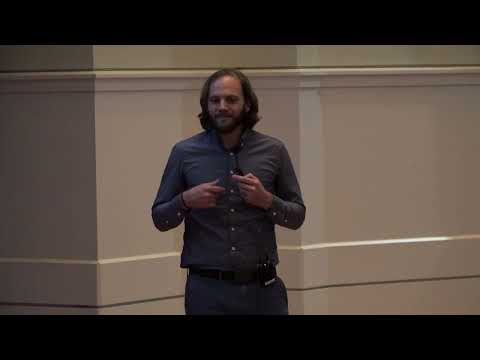
This research uses cavefish to reveal how evolution reshapes the brain. By comparing surface and cave-adapted forms, it shows that neural circuits lost to vision are repurposed for touch and smell. These findings demonstrate how evolution refines existing brain structures to meet environmental demands.

Corneal scarring causes widespread vision loss and is poorly treated by transplantation alone. This research develops a bioengineered corneal glue that both seals and heals wounds by promoting cell infiltration and reducing fibrosis. The approach enables scar-free healing, lowers transplant rejection risk, and offers a regenerative alternative to sutures and conventional sealants.
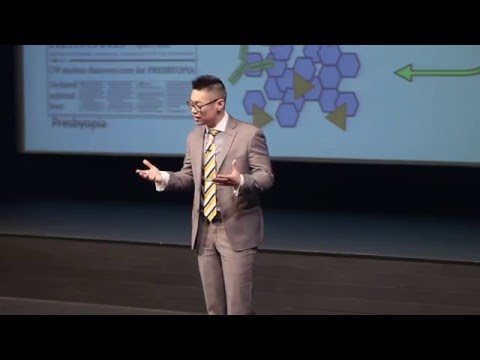
Presbyopia, the age-related loss of near vision, occurs when the eye’s crystalline lens stiffens. A known lens-softening drug, Bistatin, affects too many eye structures to be safe. This research creates a targeted antibody–drug conjugate that delivers Bistatin only to the lens, restoring flexibility and offering a potential non-surgical treatment.