This research investigates salivary gland damage caused by radiation therapy, disease and ageing. Focusing on cellular regulation, she identifies XBP1 as a key “manager” maintaining gland structure, cell survival and saliva production. Understanding this mechanism could guide future therapies for patients living with painful, incurable salivary gland dysfunction.
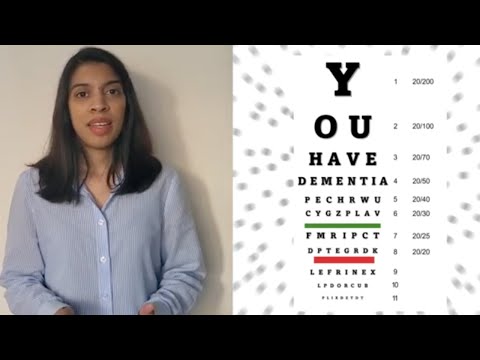
This research investigates how motion perception changes with age and how these changes are reflected in brain function. Using behavioural tasks and fMRI, the research aims to develop simple visual tests that could be used in routine eye-care settings to identify early signs of cognitive decline and support healthy ageing.
This study examines cognitive reserve theory by investigating the relationship between education and cognitive performance across developed and developing countries. Using numeracy and verbal fluency measures, it finds that higher education consistently improves cognition. However, cognitive performance is largely similar across countries once education level is considered, challenging assumptions about educational quality differences.
Heart failure causes major suffering, high mortality, and escalating healthcare costs. This research identifies what people with heart failure and their carers need from home-based supportive care, including nurse-led support, better communication, and coordinated services. By defining and prioritising key recommendations, the project aims to guide policy toward improving quality of life and reducing hospitalisations.
2025
Umami, the savory fifth taste, can significantly increase saliva production and stimulate the swallowing reflex, offering potential benefits for people with dysphagia. In a study of 70 participants, foods high in umami boosted salivation, swallowing ease, and enjoyment. This research highlights umami’s promise for improving safety and pleasure in eating.
My research explores whether people with semantic dementia can relearn everyday words through simple, repeated online training. Patients practiced picture–word pairs daily for two months and showed strong, lasting improvements that transferred to real-life use. The findings offer hope for patients and reveal how targeted practice can reshape the brain despite disease.
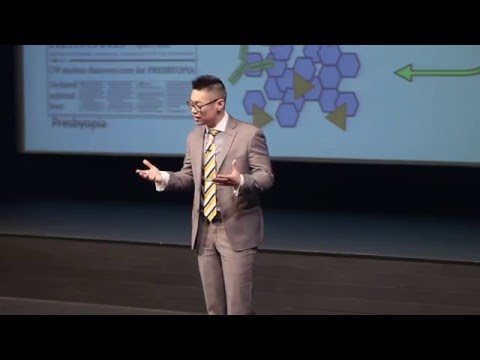
Presbyopia, the age-related loss of near vision, occurs when the eye’s crystalline lens stiffens. A known lens-softening drug, Bistatin, affects too many eye structures to be safe. This research creates a targeted antibody–drug conjugate that delivers Bistatin only to the lens, restoring flexibility and offering a potential non-surgical treatment.
Learning a new language, even later in life, can boost attention within a single week and support long-term cognitive resilience. Intensive language learners outperform peers in non-language courses, with benefits spanning ages 18–78. Practising five hours weekly maintains gains, offering a promising, accessible strategy for stroke recovery and dementia delay.
2023
Why does exercise reduce pain for some people with knee osteoarthritis but not others? By examining psychological factors, educational messaging, and brain stimulation, the studies aim to enhance exercise-induced hypoalgesia and develop effective, drug-free pain-relief strategies that can transform knee osteoarthritis into a manageable condition rather than a lifelong disability.
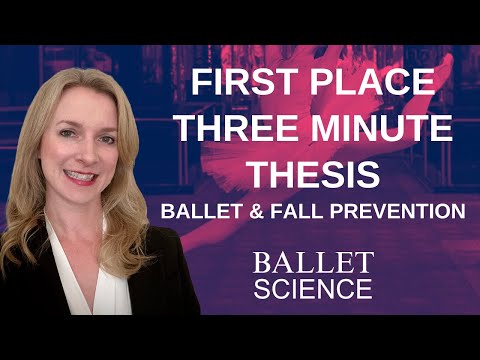
This research investigates whether ballet training can reduce fall risk in older adults. Comparing dancers to non-dancers during unexpected slips, ballet-trained participants showed better stability, faster muscle responses, and fewer falls. The project aims to develop a validated ballet-based fall-prevention syllabus that could significantly improve independence and reduce healthcare costs.