This thesis developed multifunctional 3D-printed scaffolds for repairing critical-size mandibular bone defects. Using bioactive ceramics, surface coatings, and prevascularization strategies, it promoted both osteogenesis and angiogenesis. Results show that combining geometry, materials, and biological signals enables synergistic tissue regeneration, offering less-invasive alternatives to autologous bone grafts.
This research develops smart, biodegradable bone scaffolds that guide regeneration in severe fractures. By delivering healing molecules directly to damaged tissue, the scaffolds promote stronger bone growth, reduce inflammation, and eliminate the need for repeated surgeries, enabling faster and more natural recovery in children.
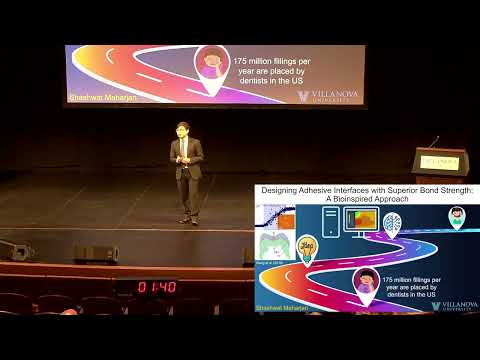
Dental implants restore missing teeth but face high infection rates. This research investigates zirconia crown design, bacterial leakage, and material strength. Using microscopy and mechanical testing, it identifies a three-step sealing method for implant screw access holes, reducing infection risk and improving long-term implant success and patient confidence.
This research presents an anti-inflammatory surgical gel that actively reprograms the immune response at the injury site. Rather than masking symptoms, it promotes proper healing, reduces prolonged inflammation, and improves recovery—especially for patients with delayed healing, such as those with diabetes—aligning biomaterials with modern surgical precision.
Corneal scarring causes widespread vision loss and is poorly treated by transplantation alone. This research develops a bioengineered corneal glue that both seals and heals wounds by promoting cell infiltration and reducing fibrosis. The approach enables scar-free healing, lowers transplant rejection risk, and offers a regenerative alternative to sutures and conventional sealants.
My research develops smart polymer wound dressings that detect infections in chronic wounds through a visible color change. By providing immediate, non-invasive alerts, these materials enable faster treatment, reduce hospitalizations and amputations, and improve outcomes for people with diabetes and chronic wound conditions.
The speaker investigates why surgical sutures often fail and explores bio-inspired alternatives. Studying freshwater mussels—experts at sticking to wet surfaces—they analyze adhesive proteins to design stronger, water-compatible tissue adhesives. This research aims to create safer, more reliable surgical closure methods that reduce complications, infections, and reliance on traditional suturing.