This research develops a new chemical process for modifying cellulose while keeping it in water, overcoming longstanding compatibility problems between cellulose and oil-soluble molecules. The method enables cellulose to incorporate electronic and pharmaceutical components, opening pathways toward sustainable electronics, advanced materials, targeted medicines, and greener technologies based on renewable natural resources.
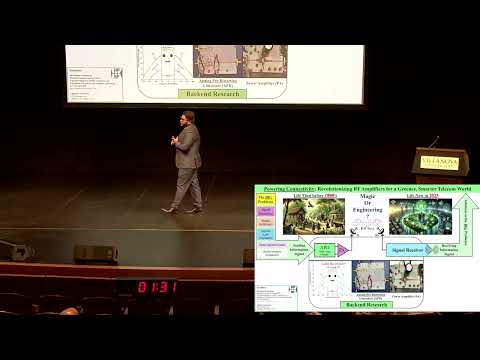
This research improves RF and microwave power amplifiers by reducing signal distortion using analog predistortion. The approach enhances energy efficiency, signal quality, and reliability in wireless and satellite communication. By producing near-ideal signals, it supports future connectivity demands and contributes to greener, more efficient telecommunications infrastructure.
Flash memory stores essential data but degrades with repeated use, limiting reliability in long-term applications like cars and satellites. Inspired by biological circadian rhythms, this research introduces “recovery periods” for memory cells to rest and repair. The approach improves flash memory lifespan up to ninefold, enabling more durable and dependable storage systems.