2025
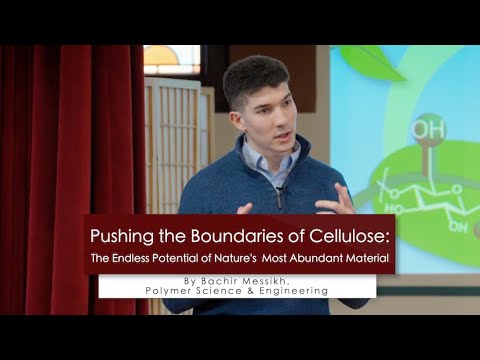
This research develops a new chemical process for modifying cellulose while keeping it in water, overcoming longstanding compatibility problems between cellulose and oil-soluble molecules. The method enables cellulose to incorporate electronic and pharmaceutical components, opening pathways toward sustainable electronics, advanced materials, targeted medicines, and greener technologies based on renewable natural resources.