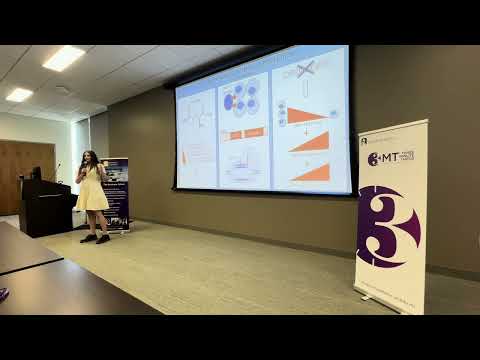
This research investigates how glutamine-rich regions within the LAG-3 protein influence Notch signaling, a critical pathway for cell communication and development. Using CRISPR gene editing, the study found that removing glutamine repeats alters stem cell behavior and cell-cycle progression, providing insights relevant to cancer, Alzheimer’s disease, and future therapies.
2025
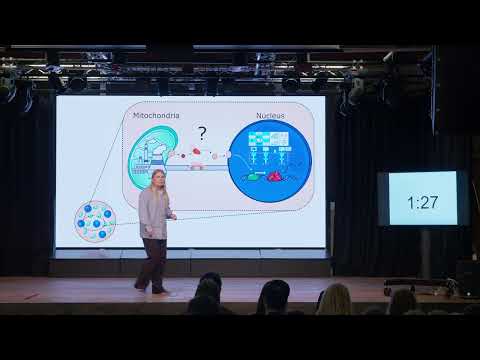
Mitochondria power cells and communicate with the nucleus to control gene expression. This research builds minimal artificial cells containing only mitochondria and nuclei to isolate this signaling pathway. The system reveals how mitochondrial dysfunction alters gene expression, offering new insight into mechanisms underlying cancer and neurological diseases.
My research investigates tiny particles released by metastatic cancer cells—messengers that help cancer hide from the immune system. By capturing and analysing these particles, the study aims to uncover how they evade detection and to develop new strategies that “teach” the immune system to recognise and neutralise them, leading to safer, more effective cancer therapies.