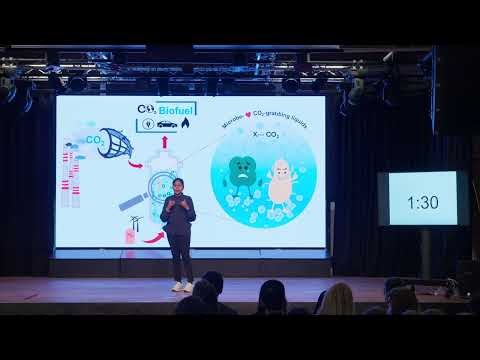
Current CO₂ capture methods are inefficient and harmful to microbes used for biofuel production. This research studies how CO₂-capturing liquids damage fuel-producing microbes and identifies tolerant strains. By understanding microbial responses at the genetic level, it aims to design microbe-friendly capture systems that convert carbon dioxide into useful fuels.
2025
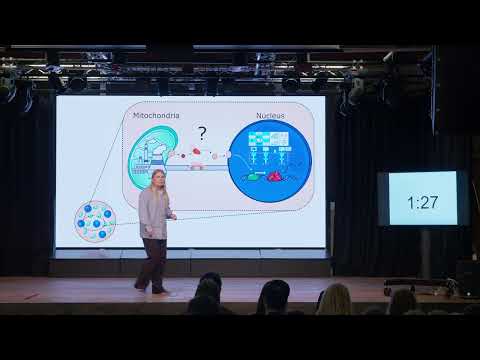
Mitochondria power cells and communicate with the nucleus to control gene expression. This research builds minimal artificial cells containing only mitochondria and nuclei to isolate this signaling pathway. The system reveals how mitochondrial dysfunction alters gene expression, offering new insight into mechanisms underlying cancer and neurological diseases.
2025
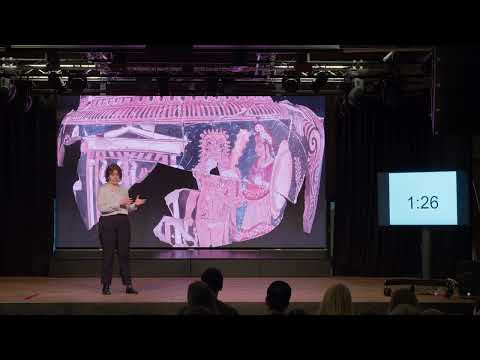
Looted artifacts lose vital historical context, limiting their research value. This project reconstructs lost histories of Greek painted vases by combining warehouse records, stylistic comparison, landscape analysis, and cultural context. Treating artifacts like detective cases allows scholars to reintegrate looted objects into archaeology without legitimizing illegal trade.
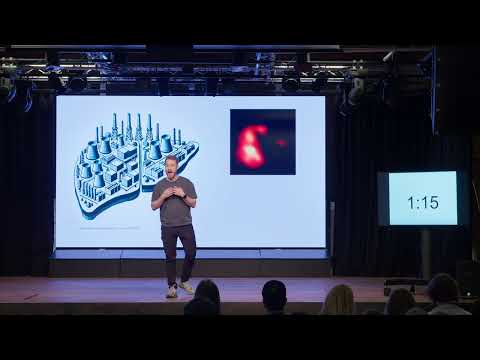
Liver cancer alters how cells use sugar long before tumors are visible. This research makes sugar detectable by MRI, allowing real-time imaging of cancer metabolism inside the liver. By revealing how tumors process energy differently from healthy tissue, the technique could enable earlier diagnosis, monitor treatment response, and improve patient survival.
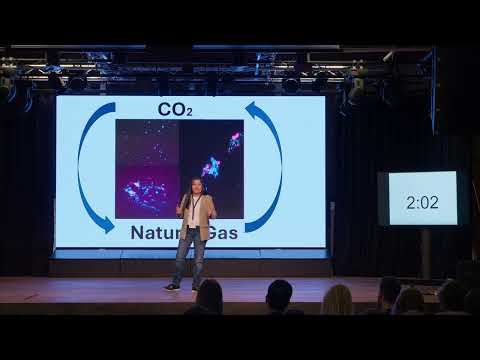
Deep-ocean microbes perform extraordinary chemistry in extreme environments. This research isolates archaea and bacteria that consume hydrocarbons and convert them into carbon dioxide through unique metabolic pathways. By visualizing and separating these organisms, the work reveals pathways that could be engineered to recycle greenhouse gases into clean biofuels, offering new tools against climate change.
2025
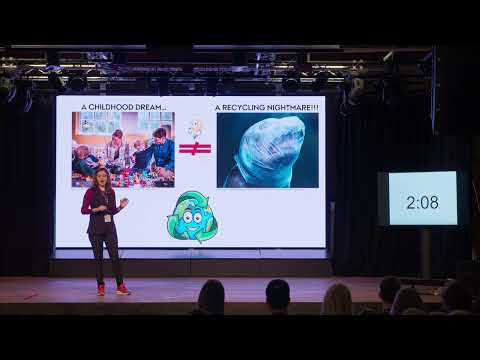
Plastic is indispensable yet environmentally damaging, especially when recycling increases tool wear in manufacturing. This research develops optimized PVD hard coatings that protect production tools without hindering recyclability. By extending tool life and improving efficiency, it supports a more sustainable, circular plastic economy where materials can be reused with less waste.