This research uses immune cell “molecular fingerprints” to rapidly detect cancer from a single drop of blood. By combining nanosensors and machine learning, subtle changes in B cells can be identified within minutes. The approach offers fast, accurate, and low-cost cancer detection with the potential to significantly improve early diagnosis and survival.

This research investigates using light-sensitive proteins to control cardiac electrical activity and treat arrhythmias. By precisely guiding heart rhythms with light rather than drugs or shocks, the study identifies proteins capable of suppressing dangerous premature signals, offering a reversible, non-invasive alternative to current heart disease treatments.

This research explores an injectable, thermosensitive hydrogel to deliver plant-based anticancer drugs for cervical cancer. By stabilizing phytochemicals and enabling localized, controlled release, the hydrogel significantly improves tumor cell killing while reducing side effects, offering a more patient-centered and effective treatment strategy.

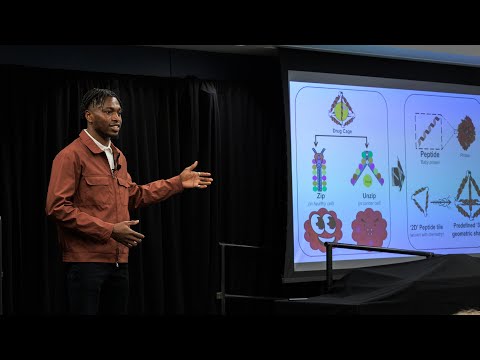
This research develops a protein-based detection technology capable of identifying subtle molecular changes months before disease symptoms appear. By adapting nanopore sequencing with a protein “detangler,” it enables early warning for conditions like leukemia, shifting medicine from reactive treatment to proactive disease prevention.

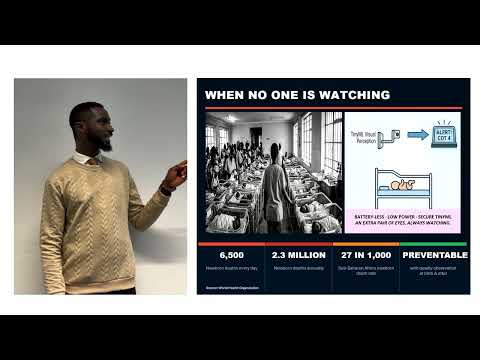
A biomedical engineering team developed a handheld device that measures newborn heart rate in under 10 seconds—far faster than current tools. Using a novel sensor and real-time algorithms, it improves clinicians’ ability to intervene within the critical first minute after birth. Clinical trials are complete, the device is patented, and commercialization is underway.

The speaker investigates why surgical sutures often fail and explores bio-inspired alternatives. Studying freshwater mussels—experts at sticking to wet surfaces—they analyze adhesive proteins to design stronger, water-compatible tissue adhesives. This research aims to create safer, more reliable surgical closure methods that reduce complications, infections, and reliance on traditional suturing.

Prion diseases like CJD are extremely hard to detect early because harmful prions resemble normal brain proteins. This research introduces a new “flashbody” detection tool that binds only disease-causing prions, providing rapid, accurate, equipment-free diagnosis. Early lab results and patient-screening trials are promising, with potential applications to Alzheimer’s and other dementias.

This research develops one of the most advanced human-engineered brain models to better study Alzheimer’s disease and test treatments. Using microfluidic chips containing all key brain cell types, blood-vessel systems, and Alzheimer’s-model neurons, the project enables efficient drug testing, personalised disease modelling, and the possibility of replacing animal testing in the search for a cure.

Type 1 diabetes destroys insulin-producing cells, leaving patients dependent on lifelong injections. Islet transplants could provide freedom, but most cells die quickly. This research uses drug-loaded microparticles that protect transplanted islets, boosting survival, insulin production, and diabetes reversal. The approach could cut costs, reduce donor needs, and transform treatment for multiple diseases.

This research aims to solve the major weakness of mRNA vaccines—the need for constant cold storage—by packaging them inside ultra-stable protein “boxes” called encapsulins. These naturally robust containers protect mRNA in extreme environments. A working prototype now exists, offering the potential for globally distributable, freezer-free vaccines that remain effective anywhere.