
This research explores why former human traffickers in Indonesia stopped offending. Through interviews with ten ex-traffickers, the study found that marriage and parenthood often triggered moral transformation by creating empathy and shame. The findings suggest trafficking prevention should focus not only on punishment, but also on strengthening families and social bonds.
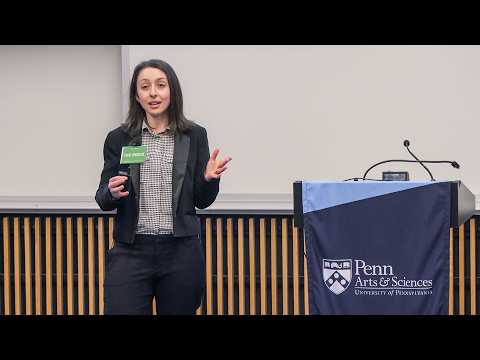
This research examines how prior victim or defendant status influences courtroom outcomes. Using Philadelphia court data, it finds that individuals with dual roles receive different treatment depending on context—leniency as defendants but weaker outcomes as victims. The findings challenge assumptions of neutrality and raise concerns about fairness and consistency in the justice system.
This research investigates risk and protective factors in father–daughter intrafamilial child sexual abuse. Findings show abuse arises from combined individual and family-level factors, especially conflict and violence, while early caregiving and warmth are protective. The work aims to inform earlier intervention, improve prevention strategies, and enhance child safety within families.