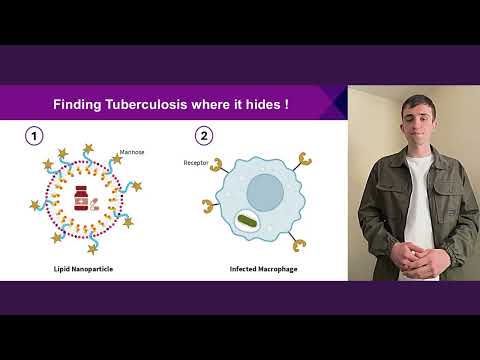
This research develops targeted lipid nanoparticle delivery systems to improve tuberculosis treatment and vaccination. By replacing PEG coatings and using mannose to target infected macrophages, it aims to deliver drugs more effectively, reduce treatment duration, improve vaccine performance, and contribute to the global elimination of tuberculosis.

2026
This research investigates macrophages, immune cells that regulate infection, tissue repair, and cancer responses. Through laboratory experiments and machine-learning models, it aims to predict macrophage function across different diseases and patients. The work could improve prognosis, guide treatments, evaluate drug safety, and forecast recovery following major illnesses and injuries.

2025
This research explores how parasitic tapeworms suppress the immune system and how their mechanisms could inspire new treatments for autoimmune diseases. As infections decline, autoimmune conditions rise. Studying rat tapeworm–derived extracellular vesicles, the lab investigates how these molecular signals reprogram inflammatory macrophages, potentially leading to novel therapies that safely regulate immune dysfunction.
2025
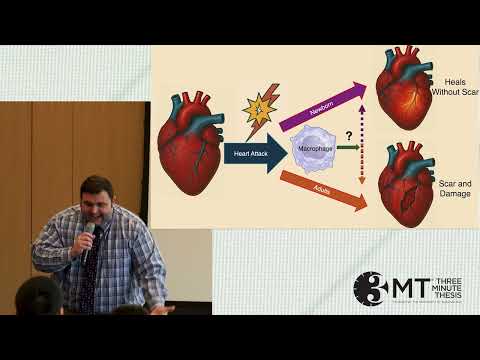
This research explores how tissue-resident macrophages guide immature heart muscle cells during early development. By identifying immune signals that enable scar-free heart regeneration in newborns, the work aims to uncover therapeutic pathways that could restore regenerative capacity and improve outcomes for patients with heart disease.
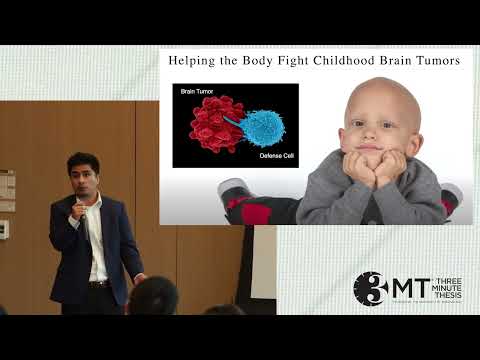
Pediatric brain tumors are the leading cause of cancer-related death in children, and current treatments are often insufficient. This research explores harnessing the immune system, particularly macrophages, to fight these tumors. Using advanced imaging and engineered immune cells, the work aims to improve tumor clearance and develop new therapeutic strategies.

This research examines how macrophages shift between tumor-fighting and tumor-supporting roles in breast cancer. By identifying signals in the tumor microenvironment and engineering molecular cues to promote tumor-destroying behavior, the work aims to reprogram immune responses and improve therapeutic outcomes for breast cancer patients.