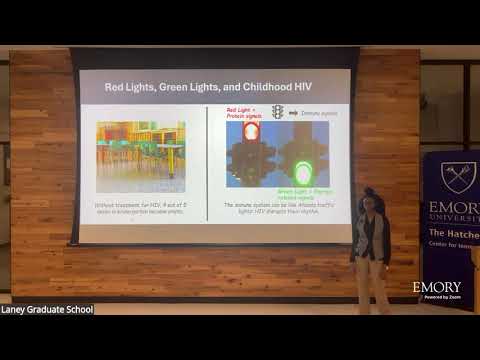
This research investigates how HIV disrupts the developing immune system in early life. Using a baby monkey model of HIV infection, the study identifies immune signals that either promote or limit infection spread. The findings could guide new immune-targeted therapies that improve survival and long-term outcomes for children living with HIV.
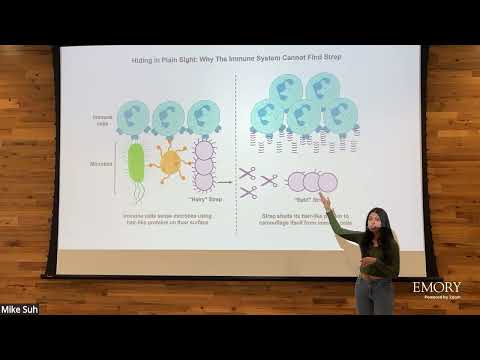
This research reveals how Streptococcus evades immune attack by shedding its hair-like surface proteins, distracting immune cells while provoking excessive immune activation. The findings provide a new explanation for how recurrent strep infections can trigger autoimmune diseases and suggest treatments should target both the bacteria and the immune response.
2025
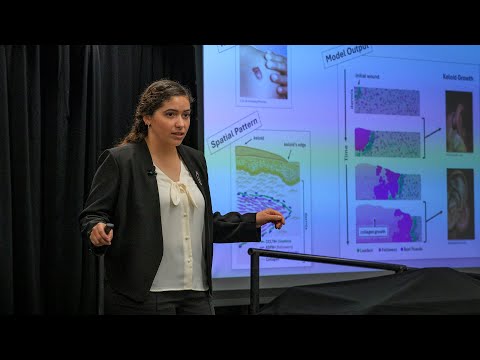
This research uses agent-based mathematical modelling to study keloid scar growth. By simulating interactions among collagen, immune cells, and key scar-associated cell types, the model predicts how keloids expand without requiring harmful patient experiments. The approach may guide future treatments for keloids and broader skin-healing conditions.
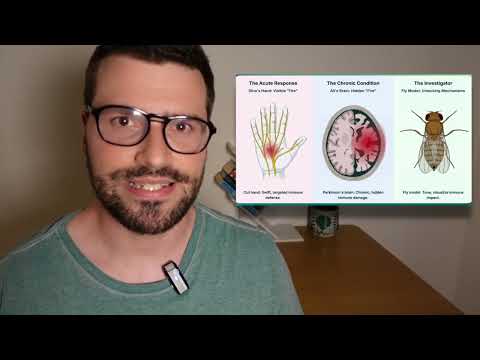
This research explores how immune-related cells and molecules, beneficial in wound healing, may become harmful in Parkinson’s disease. Using the fruit fly as a model organism, the study investigates which inflammatory processes contribute to brain damage. Early results suggest that excessive activation worsens degeneration, offering potential targets for future therapies.

This research examines how real-world microplastics and nanoplastics affect human brain immune cells. Using plastics from everyday consumer items, it shows rapid cellular stress and mitochondrial damage linked to neurodegenerative disease. The findings suggest current laboratory studies may underestimate the true health risks of chronic plastic exposure.

This research examines how macrophages shift between tumor-fighting and tumor-supporting roles in breast cancer. By identifying signals in the tumor microenvironment and engineering molecular cues to promote tumor-destroying behavior, the work aims to reprogram immune responses and improve therapeutic outcomes for breast cancer patients.