
This research investigates how motion perception changes with age and how these changes are reflected in brain function. Using behavioural tasks and fMRI, the research aims to develop simple visual tests that could be used in routine eye-care settings to identify early signs of cognitive decline and support healthy ageing.
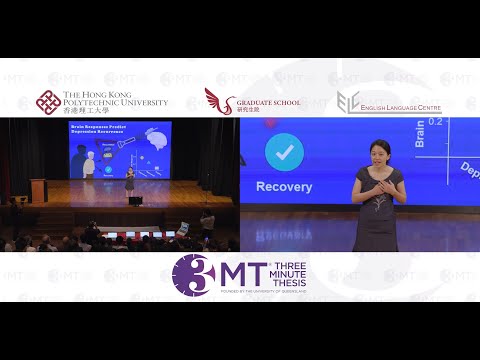
This study introduces a “brain stress test” for depression, combining targeted brain stimulation with neuroimaging. Depressed individuals show exaggerated brain responses, which increase with repeated episodes. The test may serve as an early warning signal, helping clinicians identify relapse risk and intervene before depression returns.

Mental health disorders disrupt neural connections in the brain, yet most treatments only manage symptoms. This research explores psychedelic-inspired drugs that restore lost brain connections without hallucinogenic effects, using automated imaging tools to identify compounds that rebuild neural structure and offer lasting recovery.

This research proposes that psychotherapy works by reshaping cognitive maps in the brain, much like navigation. In depression, these maps become narrow and repetitive. By analyzing therapy language and concept networks, this work aims to make therapy more precise—helping clinicians visualize mental “stuck points” and guide patients toward healthier paths.
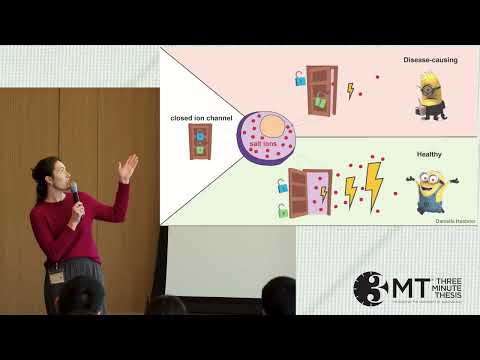
Electrical signals in the body depend on ion channels that regulate salt movement across cell membranes. When these channels malfunction, diseases like epilepsy and heart arrhythmias can occur. This research decodes how faulty ion channels work, revealing potassium-based mechanisms that could restore electrical signaling and guide new therapies.
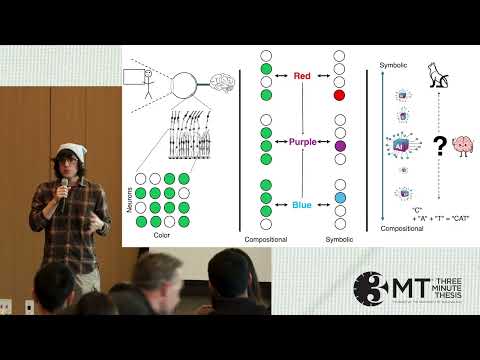
This research investigates the neural “language” of vision, asking whether the brain encodes images using compositional or symbolic patterns. Using machine learning and artificial neural networks, the work reveals evidence for a compositional visual code, informing the future design of advanced visual prosthetics.
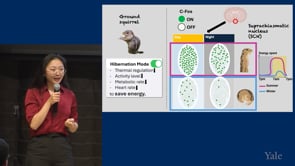
This research shows that the brain’s suprachiasmatic nucleus acts not only as a daily clock but also a seasonal energy switch. Studying hibernating ground squirrels reveals how neural activity shifts between high-energy summer states and ultra-efficient winter modes, with implications for metabolism, seasonal depression, and human hibernation.

This research explores how chronic stress reshapes the brain through genetic mechanisms. By studying the stress-regulating gene MeCP2 in mice, the work shows how early-life stress can lock the brain into a heightened anxiety state, revealing biological pathways that may inform future treatments for stress-related mental health disorders.
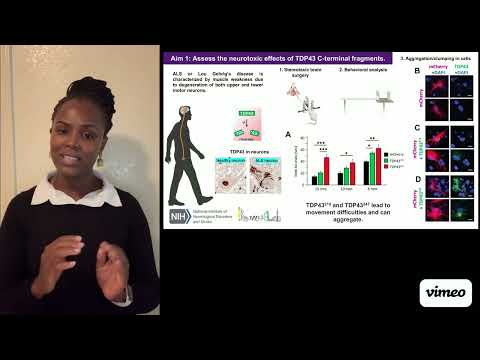
This research investigates toxic protein fragments involved in amyotrophic lateral sclerosis (ALS). By studying two TDP-43 fragments in mice and neurons, the work shows that specific fragments cause greater movement deficits and protein aggregation. Identifying the most harmful fragments advances understanding of ALS mechanisms and supports development of targeted neuroprotective therapies.
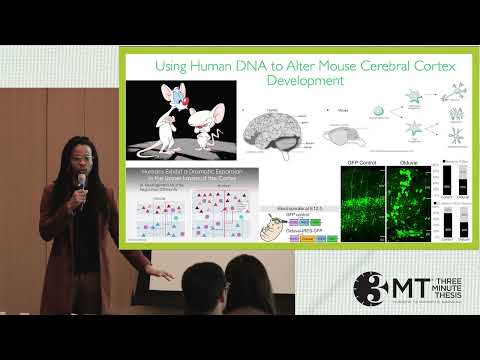
This research inserts a human-specific DNA sequence into mice to study cerebral cortex development. The modified mice show increased upper-layer neurons and glial cells, revealing how human brain evolution supports higher cognition. These findings improve understanding of human brain specialization and the origins of neurological disorders.